By Maria Akram, Yanshan University, Qinhuangdao, Hebei Province, China

When I first arrived in China two years ago, I carried with me a question that had been forming in my mind since my early days as a business student in Pakistan: Why do Pakistani industries struggle with logistics and supply chain inefficiencies while Chinese firms operate with such precision and speed?
Today, as a researcher at Yanshan University in Hebei province, I am working to answer that question. My research in Supply Chain Management is not just an academic exercise; it is an attempt to understand how Pakistan can learn from China’s supply chain success and apply those lessons to our own economic context.
The China-Pakistan Economic Corridor (CPEC) has entered its second phase, shifting focus from infrastructure development to industrial collaboration and trade integration. This transition creates new demands. Roads and ports alone cannot drive economic transformation. Pakistan needs professionals who understand how to move goods efficiently, manage inventories, and integrate suppliers into global value chains.
My research examines supply chain practices in Chinese manufacturing firms and explores how these practices can be adapted to Pakistan’s industrial landscape. The work draws on comparative analysis of supply chain operations in both countries, identifying structural differences in logistics infrastructure, technology adoption, and regulatory environments.
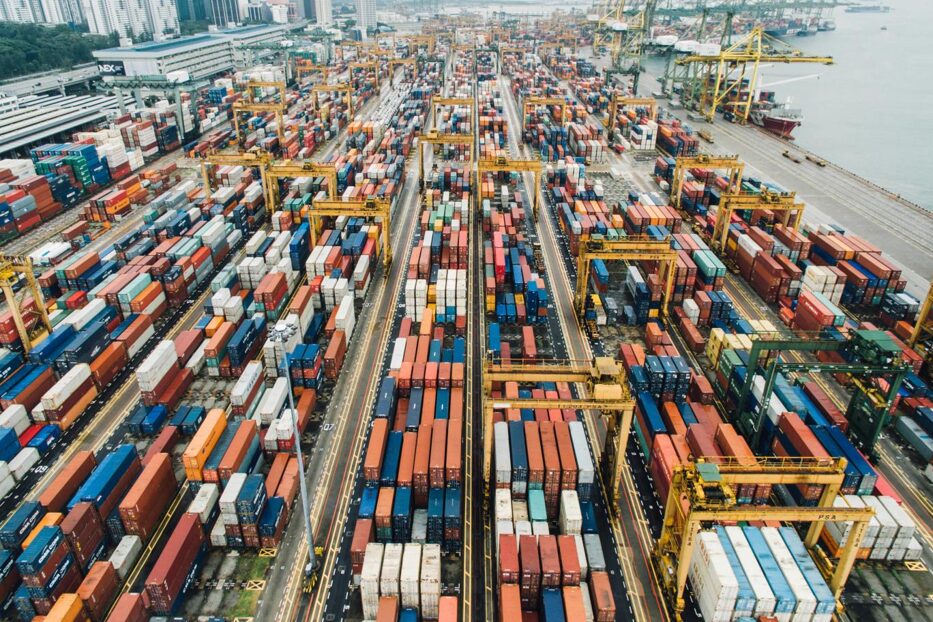
Pakistan’s economy faces significant challenges in logistics and supply chain management. Studies indicate that supply chain inefficiencies directly affect the cash conversion cycle of non-financial firms in Pakistan, impacting liquidity and operational performance. These inefficiencies translate into higher costs for consumers and reduced competitiveness for exporters.
The implications extend beyond individual firms. Pakistan’s ability to integrate into regional production networks and to transition from a passive transit economy to an active supply chain hub depends on addressing these structural challenges.
My research focuses on several key areas:
- Supplier Responsiveness and Information Sharing: How Pakistani firms can improve communication with suppliers to reduce delays and costs.
- Inventory Optimization: Adopting Chinese inventory management techniques to reduce waste and improve cash flow.
- Technology Integration: Understanding how Chinese firms use AI and data-driven systems in logistics, and how Pakistani SMEs can adopt similar technologies.
- Green Supply Chain Practices: Examining how environmental considerations can be integrated into supply chain operations without compromising profitability.
Research involving Pakistani and Chinese manufacturing sectors highlights the critical contributions of supplier resilience, information sharing, inventory management, and flexibility in maintaining operational continuity.
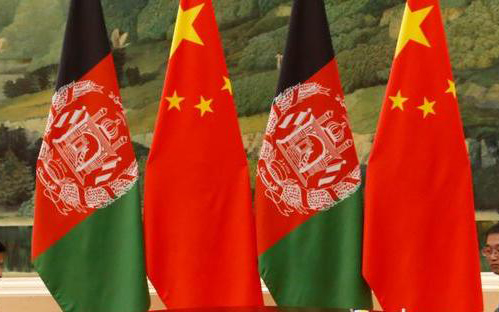
The practical context for this research is defined by ongoing bilateral cooperation. Prime Minister Shehbaz Sharif’s recent meetings with Chinese enterprises reaffirmed Pakistan’s commitment to deepening cooperation under CPEC Phase II, with Chinese companies expressing interest in expanding investments across agriculture, industrial manufacturing, logistics, and technology sectors.
The Chinese government has broadened market access for Pakistani exports including basmati rice, textiles, and leather products. However, these measures can only realize their full economic potential if Pakistan’s supply chains are efficient enough to meet international standards.
Supply chain research has identified specific areas where Pakistan-China cooperation can drive economic outcomes:
Agricultural Supply Chains: AI-driven digitalization of agricultural supply chains could lift 5–10% of rural households in Pakistan above the poverty line annually. Chinese expertise in cold chain logistics and agricultural processing could be transformative for Pakistan’s agricultural sector.
Textile and Manufacturing Supply Chains: Pakistani textile exporters face challenges in meeting delivery timelines and quality standards. Chinese supply chain practices—including just-in-time manufacturing and quality control systems—offer models for improvement.
Energy Sector Supply Chains: Solar energy localization research demonstrates how CPEC 2.0 can facilitate technology transfer and supply chain development, with potential savings of up to $5 billion in energy costs over two decades through reduced import dependency.
My research is part of a broader initiative the China-Pakistan Knowledge Corridor proposed by Pakistan’s Higher Education Commission (HEC) to elevate bilateral cooperation beyond infrastructure toward people-centered cultural and educational integration.
Bilateral agreements signed between the HEC and Chinese institutions are paving the way for vocational and AI-focused classrooms in Pakistan. Scholars like myself represent the human bridge that makes these agreements successful.
One of the most valuable aspects of studying at Yanshan University is the diversity of the classroom. I study alongside students from over 40 countries, learning not just from professors but from classmates who bring perspectives from across the globe. The faculty here teaches using current case studies, emphasizing futuristic trends in AI, logistics, and global business knowledge that is immediately applicable to Pakistan’s development challenges.
For Pakistani students considering studying in China, I offer this perspective: Chinese scholarships are generous and accessible. The education is rigorous and relevant. But more importantly, the knowledge gained in fields like supply chain management, AI, and logistics can directly contribute to Pakistan’s economic growth.
Pakistan and China mark 75 years of diplomatic relations this year . Initiatives like the Knowledge Corridor ensure that this partnership remains strong, sustainable, and mutually beneficial not just in terms of infrastructure, but in terms of human capital development.
My research at Yanshan University is about understanding how Pakistan can benefit from China’s supply chain expertise. It is about building bridges between two economies at different stages of development. And ultimately, it is about equipping myself with knowledge that can contribute to Pakistan’s industrial growth when I return home.
The journey is not without challenges. But the opportunity to study at one of China’s premier institutions, to learn alongside students from around the world, and to apply this knowledge to Pakistan’s economic development makes every effort worthwhile.