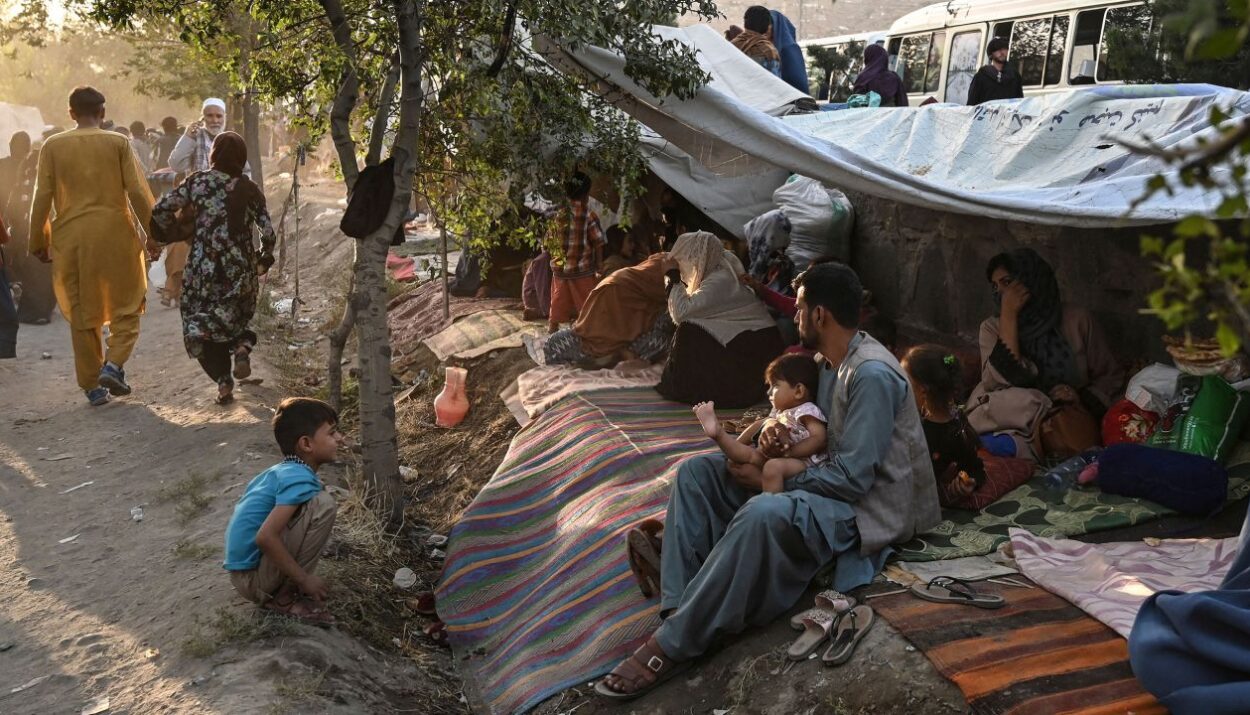
In a recent development, a crackdown on Afghan refugees residing in Pakistan has raised concerns amid escalating tensions between the two neighboring nations. The operation, which has seen hundreds of arrests, is allegedly aimed at those without legal status, but Afghan communities claim it has been indiscriminate.
Karachi, Pakistan – The crackdown on Afghan refugees in Pakistan has intensified, with at least 700 Afghans arrested in Karachi alone since early September, a tenfold increase compared to August. Similar operations have been conducted in other cities across the country, according to official police figures.
Afghan refugees in Pakistan have voiced their concerns, alleging that the arrests have been arbitrary and accompanied by police extortion and disregard for legal documents. Rising anti-Afghan sentiment and economic challenges in Pakistani households have further strained relations between Islamabad and Kabul’s new Taliban government.
Habibur Rehman, a representative of the Afghan government’s refugee ministry, stated, “We have been working day and night to secure the release of those detained. Crackdowns have occurred every few years, but this time, it has been the most severe.”
The crackdown comes in the wake of an estimated 600,000 Afghans arriving in Pakistan since the Taliban assumed power in Kabul in August 2021, implementing their strict interpretation of sharia law.
One complicating factor is the expiration of registration cards for a significant number of documented Afghans at the end of June. However, their legal status remains in place until the government makes decisions on their renewal.
Naqibullah, a resident of an Afghan refugee camp, recounted paying 46,000 rupees ($160) to avoid jail after being picked up by the police, despite having documentation allowing them to legally remain in Pakistan. Afraid of re-arrest, they have refrained from running their kiosk outside the camp.
Pakistani lawyer Moniza Kakar expressed limited capacity to assist Afghans lacking proper documents. Recent deportations have included vulnerable individuals, human rights defenders, and female students.
While Karachi police chief Khadim Rind emphasized that the operation targeted illegal immigrants, allegations of arrests involving legal document holders and bribery require investigation.
Afghan consul general Syed Abdul Jabbar attributed the crackdown to disputes between Kabul and Islamabad, including allegations of militant attacks planned on Afghan soil and a border dispute that has closed key trade crossings.
Community leaders report that some Afghan families have chosen to return to Afghanistan, selling their belongings to do so, while others remain reluctant to uproot their lives amidst Afghanistan’s ongoing economic crisis, despite the end of decades of conflict.
Habib, a long-time Afghan refugee in Pakistan, emphasized the relative freedom they have enjoyed in Pakistan but acknowledged concerns due to the lack of documentation. He stated, “If they don’t forcefully kick us out, we won’t go to Afghanistan.”
This crackdown on Afghan refugees in Pakistan underscores the complex challenges faced by both nations and the vulnerable position of Afghan communities in the midst of rising tensions.