Pakistan is set to experience its third consecutive year of stagflation, with the government approving a 3.6% economic growth target and an ambitious 12% inflation target for the next fiscal year.
This forecast, endorsed by the Annual Plan Coordination Committee (APCC), underscores the challenges of achieving economic stability amidst political and financial uncertainties.
The APCC’s approved annual plan for the fiscal year 2024-25 highlights that these targets are contingent upon political stability, currency market steadiness, and the timely signing of a new International Monetary Fund (IMF) bailout package. The meeting underscored that the rupee and foreign exchange reserves would face significant pressure due to scheduled external debt repayments.
Representatives from the State Bank of Pakistan (SBP) noted that achieving the 12% inflation target hinges on the upcoming budget. They warned that additional taxation measures could push inflation beyond this threshold. This follows the central bank’s failure to meet the 21% inflation target for the current fiscal year.
Despite setting a GDP growth target of 3.5% for this year, provisional results indicated that growth remained at only 2.4%, driven primarily by the agriculture sector. The APCC emphasized that external debt repayments would strain forex reserves and the exchange rate but remained hopeful that positive trends in remittances, exports, and external inflows could mitigate these pressures.
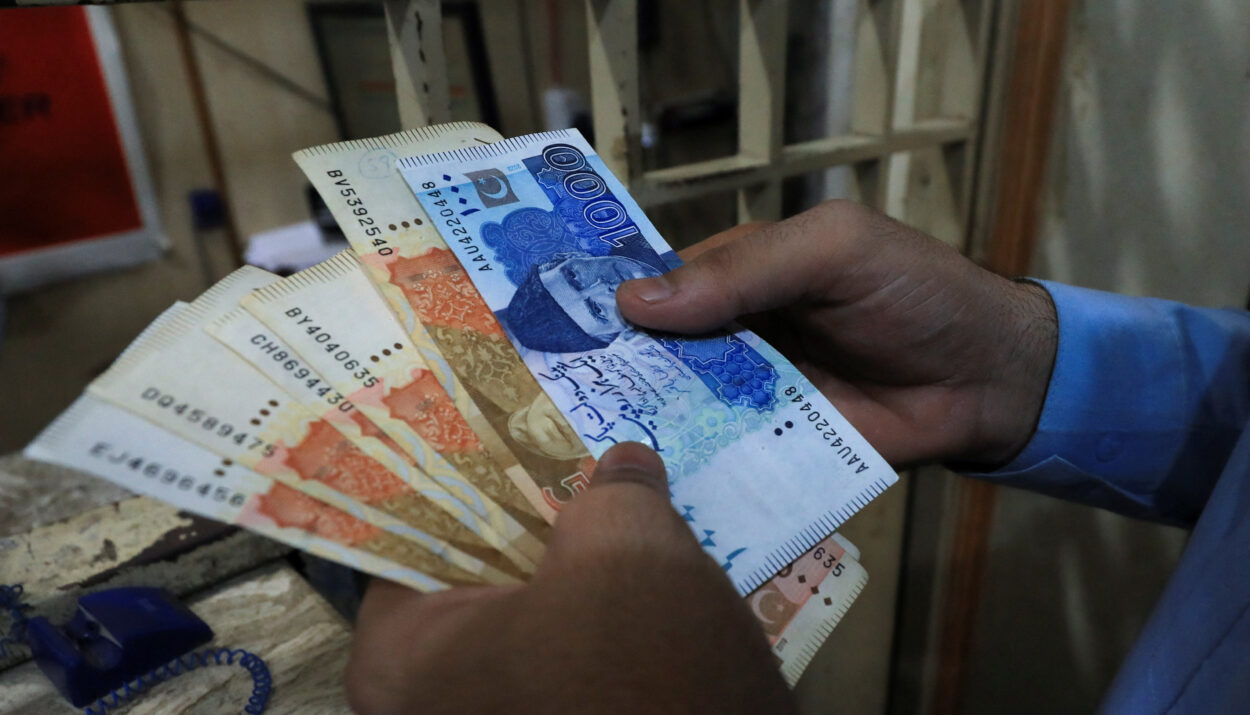
The exchange rate has already depreciated by 13.6%, from Rs245.4 to Rs284.1, during the July-April period of this fiscal year. Former finance minister Dr. Hafiz A Pasha projected that average inflation could stay between 19% and 20% next fiscal year due to expected taxation measures and exchange rate depreciation as anticipated by the IMF.
Achieving the 3.6% GDP growth target is heavily dependent on several internal and external factors, including investor confidence, political stability, macroeconomic stabilization under a new IMF program, and favorable agricultural conditions. The APCC’s plan also points to the need for supportive monetary and fiscal policies, improved external inflows, and a decrease in global oil and commodity prices.
As the government prepares for the National Economic Council (NEC) meeting, which Prime Minister Shehbaz Sharif is expected to chair, the focus remains on addressing these multifaceted challenges to avoid another year of economic stagnation and high inflation.