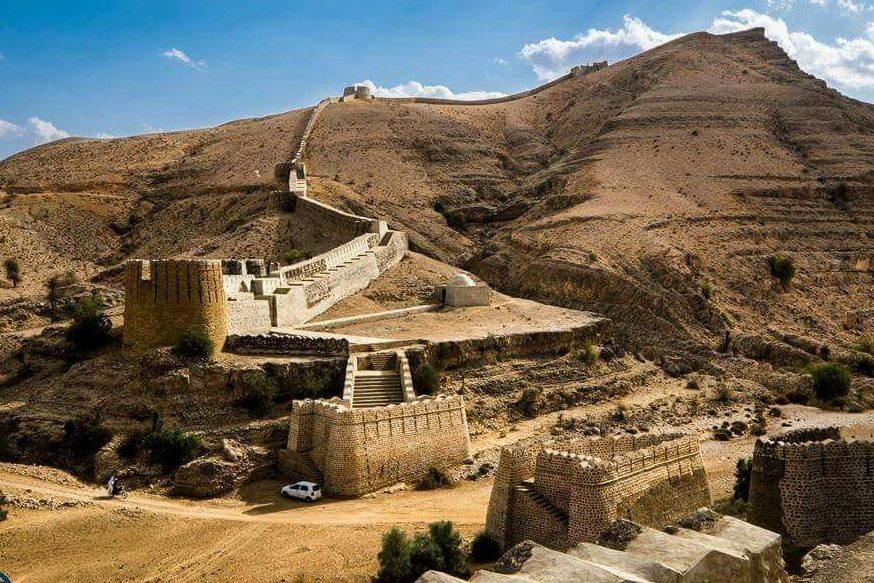
Nestled in the Jamshoro District of Sindh, near Sann, lies Ranikot Fort. This ancient marvel is immense and historically significant. Known as the “Great Wall of Sindh,” Ranikot Fort earns comparisons to the Great Wall of China. Its massive, winding walls stretch across the rugged Kirthar hills. This colossal fort, with a circumference of approximately 32 kilometers, is recognized as the largest fort in the world. If you’re a history buff or an adventure seeker, Ranikot Fort is a destination you cannot miss. Let’s explore this magnificent fort and uncover its secrets.
A Glimpse into the History of Ranikot Fort
Ranikot Fort is not just any fort—it’s a window into Pakistan’s rich history. Speculations once suggested the fort was built by the Sassanians, Scythians, Parthians, or Bactrian Greeks. Recent evidence now points to the Talpur dynasty. Nawab Wali Muhammed Leghari constructed the fort in the 17th century. Later, in 1812, the fort was restored at a staggering cost of 1.2 million rupees. This restoration effort occurred before the British invasion that overthrew the Kalhoras and Talpur Mirs of Sindh.
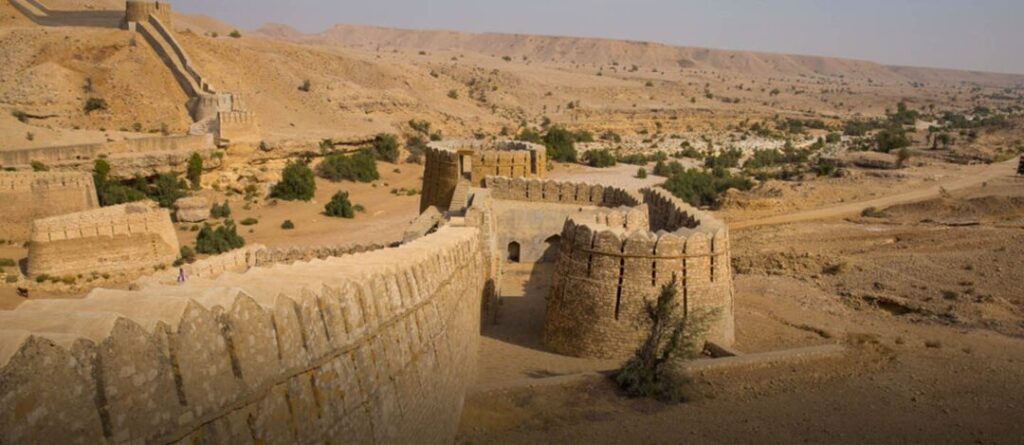
The fort served as the last bastion of the Amirs of Sindh before they fell under British colonial rule. Archaeologists have found charcoal remains in the mortar of a fallen pillar at the fort’s eastern gate, known as the Sann Gate. Radiocarbon dating confirms that the gate underwent restoration in the early 18th and early 19th centuries. The Antiquities Act of 1975 protects Ranikot Fort, recognizing it as a historical landmark and enhancing its significance. In 1993, the Pakistan National Commission proposed including the fort on the preliminary list of UNESCO World Heritage Sites, solidifying its place in history.
Location: How to Reach Ranikot Fort
Ranikot Fort is strategically located 90 kilometers north of Hyderabad, Sindh, along the Indus Highway. This prime location makes it a popular historical site for tourists. The journey from Karachi to Sann is smooth, thanks to the Indus Highway, which offers easy access to this hidden gem. From Sann, the closest town, a rugged 21-kilometer path leads to the fort’s eastern gate, the Sann Gate. This winding road takes you through a landscape that is as thrilling as it is challenging, adding an adventurous element to your trip.
The fort is located within Kirthar National Park, one of Pakistan’s largest parks. This adds to its appeal. You can drive or take the Pakistan Railway’s Kotri-Larkana line to Sann. The journey is a scenic delight. It offers glimpses of Sindh’s unique landscapes.
Unique Features of Ranikot Fort
Ranikot Fort is not just renowned for its size but also for its fascinating features. Here are some highlights that make Ranikot Fort a must-visit:
- Massive Walls and Imposing Gates: The fort boasts a wall that stretches 31 kilometers, connecting several barren peaks of the Kirthar hills. The wall’s design, with its zigzag pattern and semi-circular bastions, is both awe-inspiring and intimidating. The fort has four entry gates: Sann Gate, Amri Gate, Shah-Pere Gate, and Mohan Gate. Two of these gates are flanked by the Sann River, adding to the fort’s defensive capabilities. The Sann Gate, well-preserved and easily accessible, offers breathtaking views of the surrounding landscape from the top.
- Meeri Fort: Nestled within the larger fort is a smaller fort known as “Meeri Fort,” located approximately three kilometers from the Sann Gate. This smaller fort is believed to have served as the palace of the Mir royal dynasty. The intricate design and strategic location of Meeri Fort add another layer of intrigue to Ranikot.
- Architectural Grandeur: The entire structure of Ranikot Fort is built with stone and lime mortar, a testament to the architectural prowess of the Talpur era. The fort’s design includes rhomboid-shaped gates and defensive walls that contour the natural landscape, creating a seamless blend of man-made and natural beauty.
Restoration Efforts and Current Status
Over the centuries, Ranikot Fort has seen numerous restoration efforts. Nawab Wali Muhammed Leghari led the initial restoration, focusing on the Sann Gate complex, the defensive wall, and the small Meeri Fort. The Dadu District government, the Sindh Department of Culture, and the Pakistani Archaeology Department have since undertaken more recent restoration efforts. These efforts have helped preserve the fort’s historical integrity and maintain its grandeur for future generations.
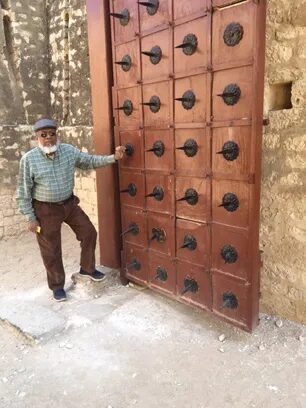
Today, Ranikot Fort is a popular tourist destination for both local and international travelers. The fort’s towering walls and the panoramic views from the top are nothing short of mesmerizing. Despite the surrounding barren landscape, the fort stands out with its majestic presence, offering a stark contrast that only adds to its appeal.
Why Visit Ranikot Fort?
Ranikot Fort is more than just a historical site; it’s an experience. From exploring the ancient walls to enjoying a picnic with family or friends, there are countless ways to enjoy your visit. Many travel agencies now offer day trips from Karachi, making it easier than ever to visit this extraordinary site. You can also plan recreational activities such as camping, bonfires, and even musical nights, creating memories that will last a lifetime.

So, if you haven’t visited Ranikot Fort yet, now is the time! Experience the grandeur of the “Great Wall of Sindh,” explore the hidden treasures of this ancient fort, and immerse yourself in the rich history and culture of Pakistan. Plan your trip to Ranikot Fort today and witness history come alive!