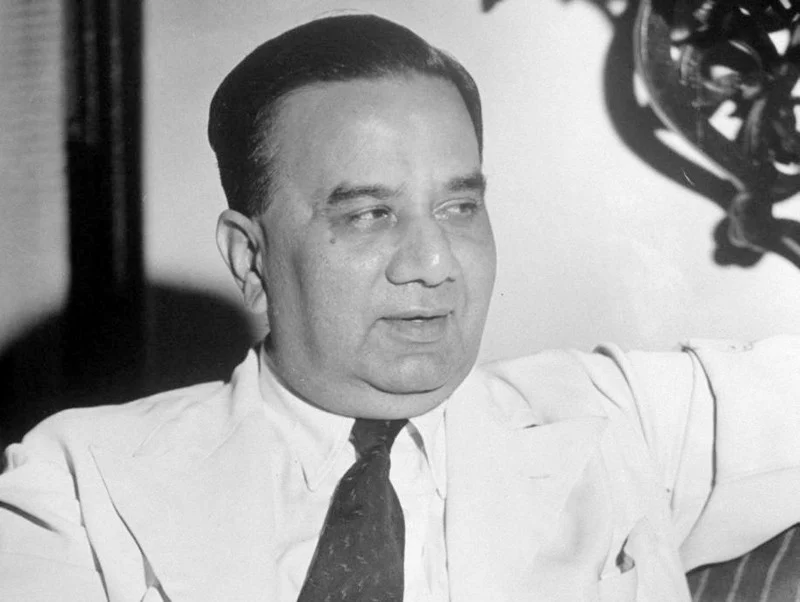
Hussain Shaheed Suhrawardy was a towering figure in the politics of Pakistan and Bengal. He remains a symbol of democracy, social justice, and progressive ideals. Born on September 8, 1892, in Midnapore, Bengal Presidency (now West Bengal, India), Suhrawardy was a brilliant legal mind and a passionate advocate for people’s rights. His political journey, marked by unwavering commitment, bold decisions, and an unyielding spirit, solidified his status as Hussain Shaheed Suhrawardy: A Symbol of Democracy and Justice, and made him one of the most respected leaders in South Asian history.
Rise in Politics
He began his political career in Bengal, a region rich in culture and political activism. His leadership qualities quickly became evident when he joined the All India Muslim League. He passionately championed the cause of the Muslim community. His powerful oratory skills and deep understanding of legal and political dynamics made him a natural leader. He effortlessly connected with the masses.
Champion of Democracy and Architect of Pakistan
Suhrawardy played a pivotal role in the creation of Pakistan. As a member of the Muslim League, he played a key role in rallying support for the partition of India. This effort led to the creation of Pakistan in 1947. His vision for Pakistan was based on democratic principles, social justice, and secularism. He believed in a country where people of all faiths could live together in harmony.
Suhrawardy was the last Prime Minister of united Bengal. He was a crucial figure during the turbulent period leading up to the partition. He worked tirelessly to maintain peace and advocated for a united Bengal, free from communal strife. His actions were seen as both bold and visionary. Despite many challenges, he stayed true to his democratic values and the welfare of all citizens, regardless of their religion or ethnicity.
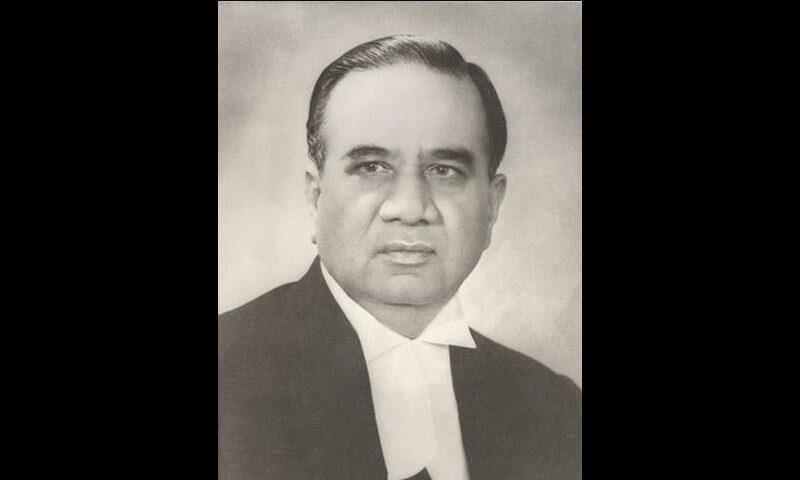
Prime Ministership and Political Challenges
In 1956, Hussain Shaheed Suhrawardy became the fifth Prime Minister of Pakistan, a position that allowed him to implement his vision on a national scale. His tenure, though brief, was marked by significant efforts to strengthen democracy and address the needs of a nascent nation. Suhrawardy believed in the power of dialogue and diplomacy, advocating for policies that promoted economic growth, social equity, and political stability.
However, his time in office was fraught with challenges. The political climate in Pakistan was highly volatile, with rising tensions between East and West Pakistan. Suhrawardy’s attempts to bridge the gap between the two regions and foster a sense of unity were met with resistance from various factions. Nevertheless, he remained committed to his ideals, pushing for reforms that would benefit the entire nation. His courage in facing political opposition and his relentless pursuit of justice underscored his dedication to the Pakistani people.
Electoral Performance
Hussain Shaheed Suhrawardy’s electoral journey reflects his strategic brilliance and ability to resonate with the electorate:
- 1946 Elections in British India: Suhrawardy contested in the 1946 provincial elections in Bengal, leading the Muslim League to a significant victory. His leadership ensured that the Muslim League won a majority, securing his position as the Chief Minister of Bengal. This victory was pivotal in shaping the political landscape of Bengal and was a critical precursor to the partition of India.
- 1954 Elections in East Bengal: Following the partition, Suhrawardy continued his political career in East Pakistan (now Bangladesh). In the 1954 elections, he played a crucial role in supporting the United Front, a coalition that achieved a landslide victory against the ruling Muslim League. This win underscored his enduring influence and his ability to galvanize support across diverse political factions.
- 1955 National Assembly of Pakistan: Suhrawardy’s electoral success continued when he was elected to the National Assembly of Pakistan in 1955. This election marked his transition from regional to national politics. It allowed him to exert greater influence over Pakistan’s governance.
- 1956 Prime Minister of Pakistan: In 1956, Suhrawardy was elected Prime Minister of Pakistan. He leveraged his electoral support and political skill to achieve this. His election to the highest office showed his political finesse. It also demonstrated his ability to navigate the complex political landscape of a newly-formed country.
Suhrawardy’s electoral performance is a testament to his resilience, strategic vision, and ability to unite diverse communities under a common political platform. His electoral victories laid the foundation for his political philosophy of democracy, social justice, and national unity.

Legacy and Enduring Impact
Hussain Shaheed Suhrawardy’s legacy transcends his political career. He is remembered as a visionary leader who dared to dream of a united, democratic, and prosperous Pakistan. His advocacy for secularism, democracy, and social justice continues to inspire future generations. Even after his untimely death in 1963, Suhrawardy’s ideals have remained a guiding light for those who seek to build a fair and just society.
Suhrawardy’s influence is still felt today. Furthermore, Pakistan continues to face challenges related to democracy, governance, and regional integration—issues he once championed. His commitment to justice, equality, and the rule of law remains a powerful reminder. In addition, it demonstrates what is possible when leaders put the people first.
Disclaimer: The information provided in this article about the individual’s political career and achievements is based available sources and is intended for general informational purposes. If there are any inaccuracies or if you have additional information to contribute, please let us know by leaving a comment. Additionally, if you would like to add information about someone else or suggest updates, please feel free to contact us. We appreciate your feedback and strive to ensure the accuracy of our content.