A devastating series of earthquakes struck Afghanistan late Saturday, resulting in a staggering death toll of 2,053 people, with 9,240 individuals injured, as confirmed by a government spokesperson to Reuters on Sunday.
The initial death toll from the earthquakes, previously reported as 120, is expected to climb higher as rescue operations are ongoing in the affected regions.
“Unfortunately, the casualties are practically very high,” stated deputy government spokesman Bilal Karimi early Sunday as the full extent of the damage became apparent.
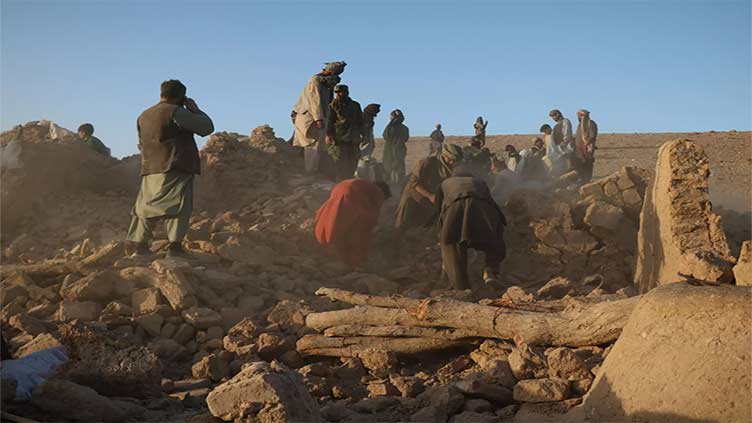
Furthermore, eight powerful aftershocks following the magnitude 6.3 earthquake have led to the flattening of 1,328 houses. These seismic events occurred approximately 30 kilometers northwest of Herat, causing panic among city residents, who fled to the streets.
According to Mosa Ashari, head of Herat’s disaster management, late Saturday saw “about 120” reported fatalities and “more than 1,000 injured, including women, children, and elderly citizens.”
A spokesperson for the National Disaster Authority expressed the expectation that the death toll “will rise significantly.”
As night descended upon the Sarboland village in the Zinda Jan district, numerous homes lay in ruins near the epicenter of the earthquakes. These tremors persisted for over five hours, as reported by AFP.
Men worked tirelessly to clear heaps of crumbled masonry, while women and children sought refuge in the open, with devastated homes revealing personal belongings fluttering in the harsh wind.
A government official confirmed that 1,329 homes were destroyed across the affected areas, as per Reuters.
The World Health Organization (WHO) reported over 600 houses destroyed or partially damaged in at least 12 villages in Herat province, affecting 4,200 people, according to AFP.
“In the very first shake, all the houses collapsed,” shared 42-year-old local resident Bashir Ahmad. “Those inside the houses were buried,” he lamented, adding, “There are families we have heard no news from.”
The WHO stated late Saturday that “the number of casualties is expected to rise as search and rescue operations are ongoing.”
In Herat city, residents fled their homes, and schools, hospitals, and offices were evacuated when the first quake struck. While there were few reports of casualties in the metropolitan area, the situation remains dire.
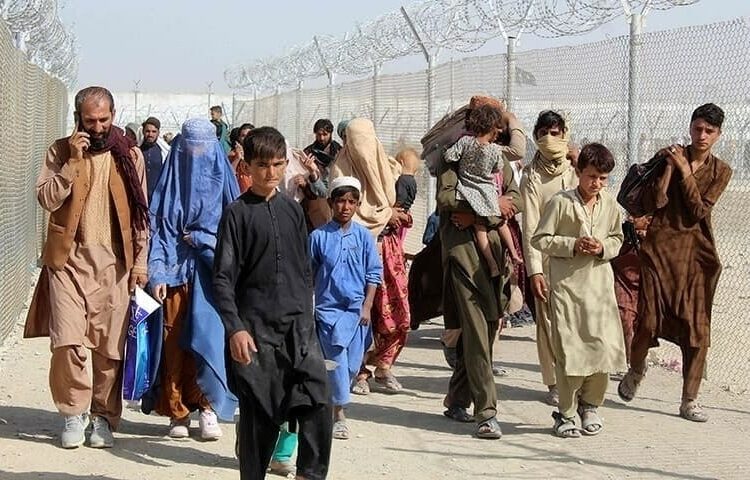
Afghanistan already grapples with a severe humanitarian crisis, exacerbated by the widespread withdrawal of foreign aid following the Taliban’s return to power in 2021. Herat province, with a population of 1.9 million on Iran’s border, has been severely affected by drought, impacting many agricultural communities.
Afghanistan is no stranger to earthquakes, especially in the Hindu Kush mountain range. In June, a 5.9-magnitude quake claimed the lives of over 1,000 people and left tens of thousands homeless in the impoverished province of Paktika, marking the deadliest earthquake in Afghanistan in nearly a quarter of a century.