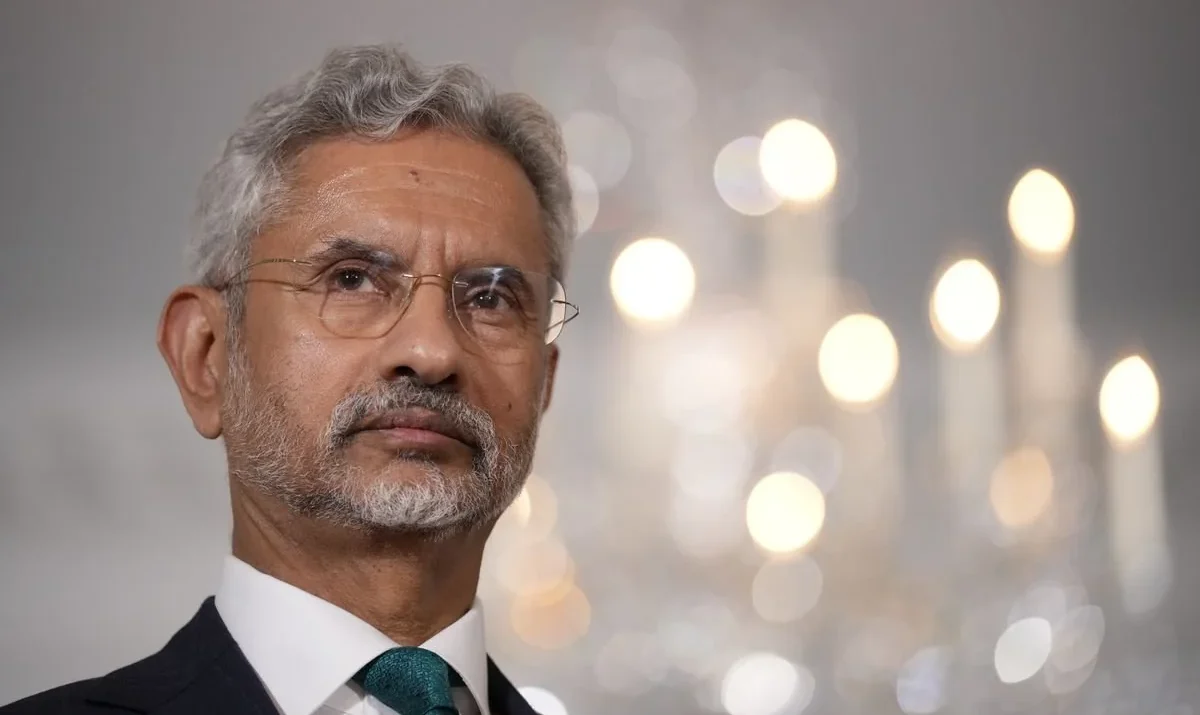
Indian Foreign Minister Subrahmanyam Jaishankar said on Friday there was a “climate of violence” and an “atmosphere of intimidation” against Indian diplomats in Canada, where the presence of Sikh separatist groups has frustrated New Delhi.
He highlighted the issue during a press briefing in Washington as Tensions have arisen in India-Canada relations, primarily due to the presence of Sikh separatist groups in Canada that advocate for Khalistan, an independent Sikh state separate from India.
Canada’s foreign ministry has not yet responded to the Indian Foreign Minister’s remarks.
Earlier this month, Canadian Prime Minister Justin Trudeau suggested that Indian agents may have played a role in the June murder of Sikh separatist leader Hardeep Singh Nijjar, a Canadian citizen. India labeled Nijjar a “terrorist,” but New Delhi dismissed Trudeau’s allegations as absurd. The United States has urged India to cooperate with Canada in the murder investigation.
In 2018, Trudeau assured India that Canada would not support any efforts to revive a separatist movement in India, while also emphasizing his respect for the right to free speech and assembly of protesters.
Canada is home to a significant Sikh community, and some fringe groups there continue to sympathize with the Khalistan cause. However, the demand for Khalistan has little support within India.
The Khalistan movement gained prominence during a violent insurgency in the 1980s and 1990s that significantly impacted the state of Punjab, lasting over a decade and claiming tens of thousands of lives. The Indian government considers the Khalistan movement a security threat. Sikh militants were held responsible for the 1985 bombing of an Air India Boeing 747 flying from Canada to India, resulting in the deaths of all 329 people on board.
In 1984, Indian Prime Minister Indira Gandhi was assassinated by two Sikh bodyguards after she authorized the storming of the holiest Sikh temple, an operation aimed at flushing out Sikh separatists. These historical events continue to influence India-Canada relations and the sentiments of Sikh communities in both countries.