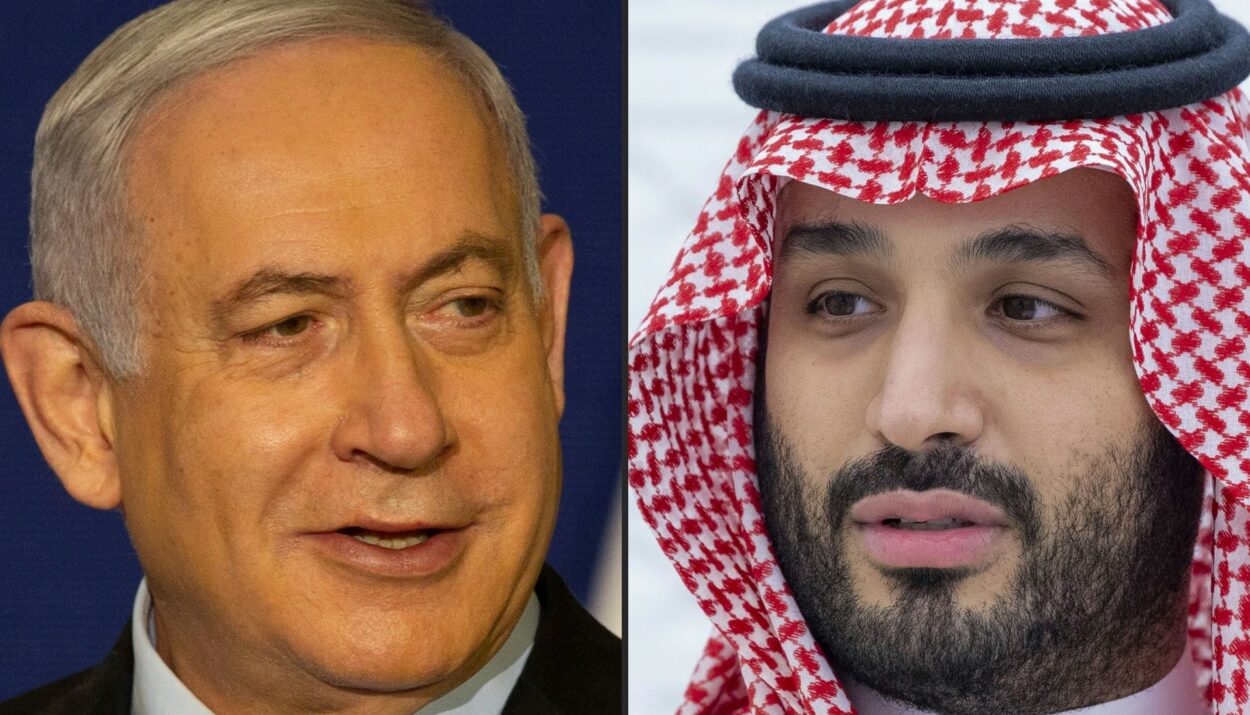
Israel and Saudi Arabia are inching closer to a historic normalization agreement brokered by the United States, as announced by the White House.
This potential deal marks a significant shift in the relationship between the two nations after decades of hostility. President Joe Biden is actively working to reshape the Middle East and achieve a diplomatic victory, with a central focus on securing recognition of the Jewish state by Saudi Arabia, which serves as the guardian of Islam’s two holiest sites.
National Security Council spokesman John Kirby addressed reporters, stating, “All sides have hammered out a basic framework for what we might be able to achieve.” However, he acknowledged that, like any complex arrangement, compromises and actions would be required from all parties involved.
The United States has been actively encouraging its Middle East allies, Israel and Saudi Arabia, to normalize their diplomatic relations, following in the footsteps of similar agreements involving the United Arab Emirates, Bahrain, and Morocco.
Saudi Arabia’s crown prince and de facto ruler, Mohammed bin Salman, has recently indicated that progress is being made in this direction, echoing the sentiments of Israeli Prime Minister Benjamin Netanyahu.
Saudi Arabia has been seeking security guarantees, which reportedly include the possibility of a treaty, from the United States in exchange for normalizing relations with Israel.
However, it’s important to note that the Palestinian perspective remains a crucial element in these diplomatic efforts. The Palestinians have consistently emphasized the necessity of their involvement in any regional deal, asserting that a lasting peace in the Middle East can only be achieved through a two-state solution. Their stance underscores the ongoing complexities and challenges in the pursuit of a comprehensive regional agreement.