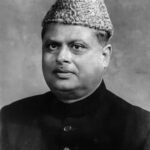
Zulfiqar Ali Bhutto was a prominent Pakistani politician who, consequently, significantly shaped the country’s modern history. Born on January 5, 1928, in Larkana, Sindh, Pakistan, he emerged as a key figure in Pakistan’s political landscape.
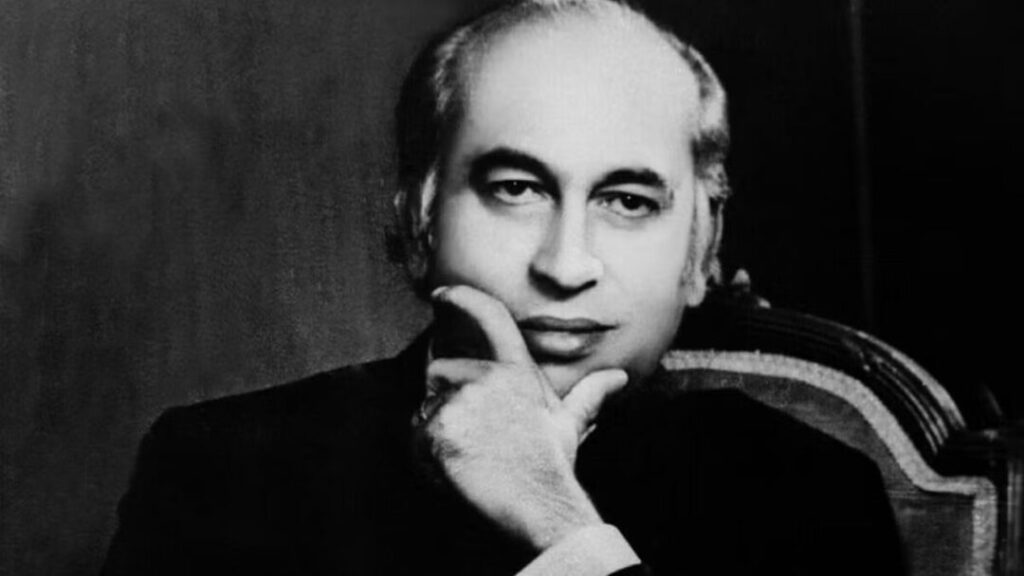
Political Career
Zulfiqar Ali Bhutto, a prominent Pakistani politician, began his political journey with his involvement in the Pakistan Movement. He joined the All-India Muslim League and played an active role in advocating for the creation of Pakistan. Subsequently, Zulfiqar Ali Bhutto entered the national arena, initially serving as the Minister of Commerce. Later, he advanced to the role of Foreign Minister under President Ayub Khan.
In 1967, Bhutto founded the Pakistan People’s Party (PPP) and quickly rose to prominence. His leadership led to his appointment as the President of Pakistan in 1971. As a result, he oversaw significant changes in the country’s political and economic policies. During his tenure, he introduced various reforms aimed at nationalizing key industries and implementing social justice measures.
Electoral Performance
- 1965 General Elections: Bhutto’s influence grew significantly during these elections, although he was not a candidate, his role as Foreign Minister bolstered his political profile.
- 1970 General Elections: Bhutto’s newly formed Pakistan People’s Party (PPP) won a majority of the seats in West Pakistan. This success established him as a leading national figure.
- 1973 National Elections: Bhutto’s PPP secured a strong position in these elections, leading to his appointment as Prime Minister. His party’s performance underscored his significant influence in Pakistani politics.
Key Achievements
- Founding the Pakistan People’s Party (1967): Bhutto established the PPP as a major political force, which played a crucial role in shaping Pakistan’s political landscape.
- President of Pakistan (1971-1973): His presidency was characterized by efforts to unify the country and implement economic and social reforms. He worked to stabilize Pakistan after the secession of East Pakistan.
- Prime Minister of Pakistan (1973-1977): Bhutto’s time as Prime Minister saw significant policy changes, including land reforms and the introduction of a new constitution. His leadership focused on improving education, healthcare, and industrial growth.
Legacy and Influence
Zulfiqar Ali Bhutto’s political career left a lasting impact on Pakistan. His reforms and leadership during critical periods of the country’s history are well-remembered. Consequently, Bhutto is widely acknowledged for his efforts to modernize Pakistan’s economy. Furthermore, he played a key role in promoting social justice.
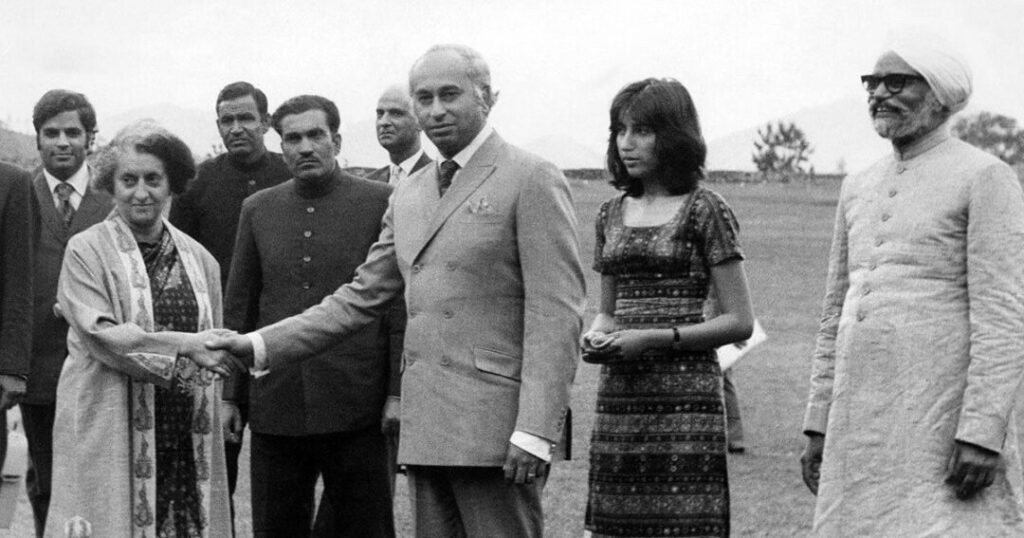
Furthermore, his legacy extends beyond his official roles. Bhutto’s influence on Pakistani politics remains evident, as his vision and policies continue to shape the nation’s political discourse.
Disclaimer: The information provided is based on available sources and is intended for general informational purposes. For any inaccuracies or additional information, please leave a comment or contact us. We value your feedback and strive for accuracy.