Heavy rainfall in Khyber Pakhtunkhwa has triggered flash floods in Lower Chitral and Shangla districts, damaging critical road links, bridges, homes and farmlands, while forcing residents to move to safer ground. Authorities warn that the bad weather may continue through September 19.
What Happened
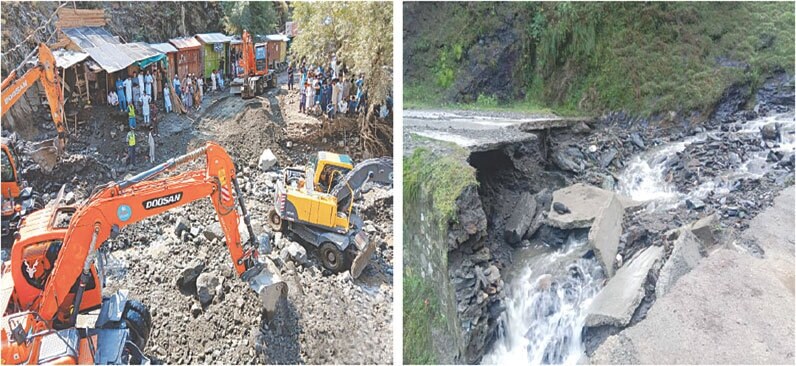
Valleys in southern Lower Chitral — including Sheshi Koh, Arsoon, Damil, and Jinjirait Koh — experienced some of the worst rain of the season in early hours of Tuesday. The showers unleashed flash floods and “hill torrents,” sweeping away soil, water, and debris across key routes.
The Chitral‑Peshawar Road, a vital artery, was cut off for over 30 kilometres from Drosh to the Lowari Tunnel. Many passengers were stranded overnight in vehicles. Roads to remote valleys including Arsoon and Sheshi Koh remain blocked.
In Shangla’s Kana tehsil, union councils Belkanai, Damorai, and Olandar were severely affected. Two major bridges were washed away. Landslides blocked the Lilonai‑Tabulkanai Road at Bata Tangi. Crop damage has been widespread.
Response & Impact
So far, no casualties have been reported. Deputy Commissioner Mohammad Hashim Azeem said that traffic has resumed for light vehicles on some roads, including the Chitral‑Peshawar Road and roads in Sheshi Koh. But roads to Arsoon and Jinjirait Koh are still impassable.
Revenue teams have been dispatched to assess damage to homes, orchards, farms, and infrastructure. Residents in Sheshi Koh and Jinjirait Koh have moved to higher ground for safety. The Al‑Khidmat Foundation also delivered relief goods to remote villages.
Forecast & Warnings
The Pakistan Meteorological Department has issued a forecast for continued rain until at least September 19. Given the terrain, more rainfall could lead to additional landslides, road blockages, and damage to infrastructure.
Why It Matters
- Isolation of communities: Blocked roads cut off essential services — medical aid, food supplies, and transportation for daily needs.
- Agricultural loss: Orchards, pastures, and standing crops have been badly affected, hitting livelihoods in rural areas.
- Infrastructure damage: Washed‑away bridges and roads will need repair; these are expensive and time‑consuming works in mountainous regions.
What’s Needed
Authorities and aid groups are urged to focus on:
- Restoring access — reopening blocked roads and rebuilding bridges to reconnect remote valleys.
- Relief operations — delivering food, clean water, shelter, and medicine to affected and isolated communities.
- Preparedness — ensuring early warning systems and disaster‑response teams are ready given forecasted rain.
As the rains continue, the priority remains keeping people safe and ensuring affected areas get swift relief and recovery.