The Khyber Pakhtunkhwa government is exploring an initiative to promote tea tourism, integrating agriculture and tourism to boost local economies, preserve culture, and expand ecotourism.
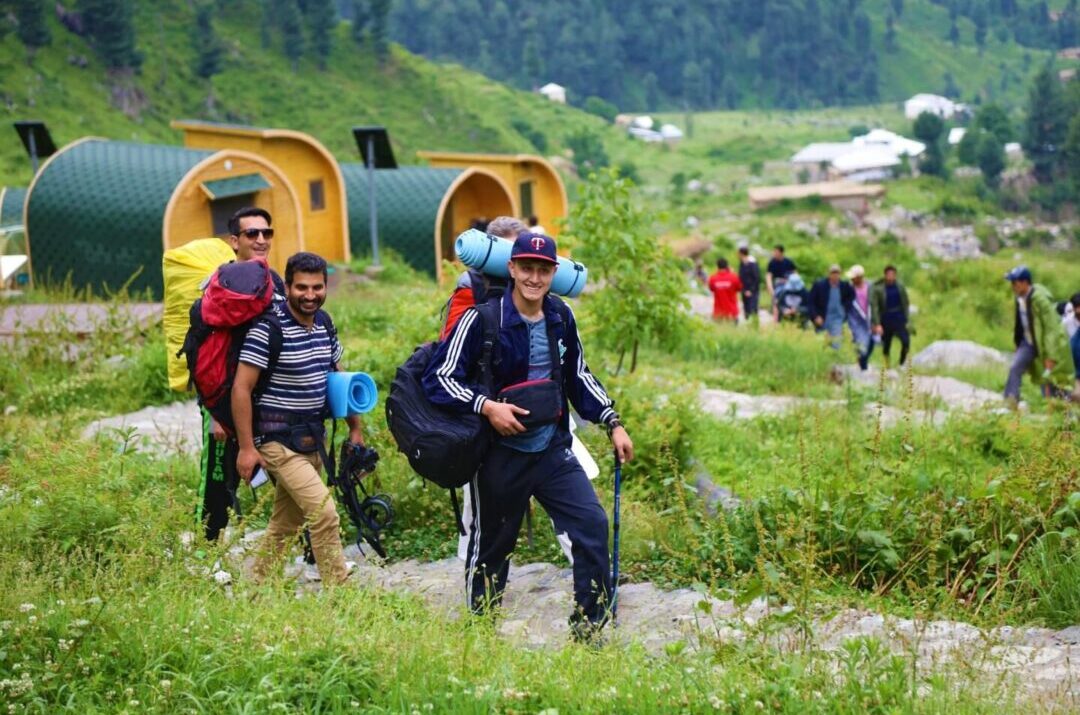
Under this proposal, tea plantations would become tourist attractions, offering visitors layered experiences: walking through tea gardens, learning cultivation practices, sampling tea, and staying in nearby homestays. The plan aims not only to grow tea production but also to create jobs, especially in rural and mountainous zones of KP where tourism is already growing.
Linking Agriculture & Tourism
Officials say this model could diversify agricultural income just as tourism sectors recover. Tea estates already serve agricultural producers; opening them up as tourist destinations adds value, offering multiple revenue streams – from tea sales to guided tours, hospitality, and local arts.
There’s also a sustainability angle: tea tourism can encourage better land management, reforestation for shade-trees, soil conservation, and community engagement. By promoting environmentally friendly practices, the initiative fits into broader eco-tourism and conservation goals for the province.
Benefits & Challenges
For local communities, tea tourism could mean new employment — guides, hospitality staff, tea pickers, small-scale artisans. Entrepreneurs can capitalize on homestays, local eateries, souvenir shops. It can also help reduce migration from rural areas by creating opportunities closer to home.
Challenges include infrastructure needs (roads, accommodations), ensuring tea plantations are managed well for both production and visitor safety/amenities, and marketing: tourists need to know these places exist. Also, ensuring equitable benefit sharing so that farmers and local communities don’t lose out.
Context & Comparisons
KP already has several eco-tourism and sustainable tourism efforts under way: the TREK initiative (Travel Responsibly for Experiencing Eco-tourism), the KITE Project, home-stay programmes, and interest-free loans to locals for tourism-related infrastructure. These provide a foundation for tea tourism to build on.
Tea tourism is relatively new in Pakistan, but is growing elsewhere globally. It aligns with trends where agritourism boosts rural incomes while attracting domestic and international tourists seeking immersive natural experiences.
What’s Next
Officials say feasibility studies are being considered to select suitable areas—places with existing or potential tea cultivation, accessibility, scenery, and tourist appeal. Once pilot sites are identified, investment, training, and partnerships with private and community actors will be key.
If successful, tea tourism could become a niche but meaningful addition to KP’s tourism portfolio, contributing to agriculture, ecology, and livelihoods in one integrated model.