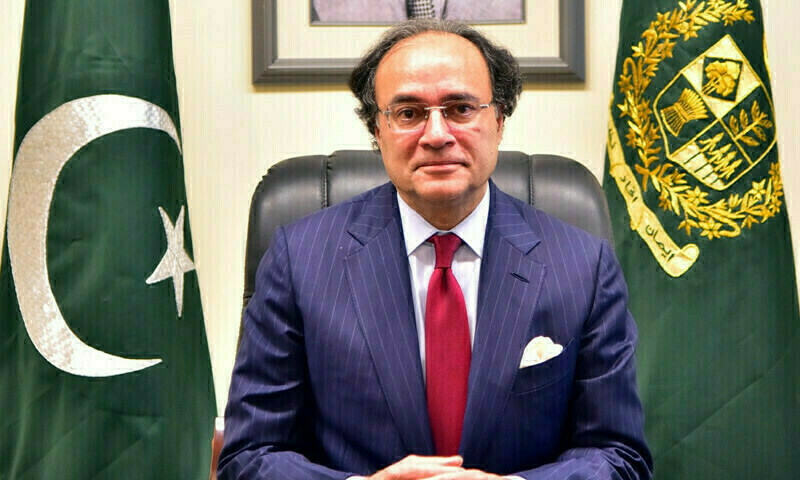
Pakistan’s Finance Minister Muhammad Aurangzeb has revealed that Islamabad is poised to secure a new loan from the International Monetary Fund (IMF) as macroeconomic factors align favorably for the country’s economy.
In an interview with The National, Aurangzeb stated that the IMF has shown receptiveness towards considering a larger, longer program to support Pakistan’s economic reforms.
The formal request to the IMF for a bailout package ranging from $6 to $8 billion under the Extended Fund Facility (EFF) has been made, with discussions ongoing to finalize the specifics of the program by May 2024.
Aurangzeb emphasized that Pakistan’s macroeconomic indicators are improving, with the stabilization of the rupee and a projected decrease in inflation to single-digit levels by the end of the next year.
Last week, the IMF’s Middle East and Central Asia director reiterated the IMF’s readiness to support Pakistan, emphasizing the importance of accelerating reforms for sustainable growth.
Recently, a staff-level agreement (SLA) was reached between Pakistan and the IMF for the completion of the second review and release of funds under the Standby Arrangement (SBA) program.
Furthermore, Finance Minister Aurangzeb announced plans for the privatization of Jinnah International Airport in Karachi and Allama Iqbal International Airport in Lahore, following the ongoing privatization efforts for Islamabad International Airport.
The government’s commitment to economic reforms, including tax reforms and reduction of the current account deficit, is expected to bolster Pakistan’s foreign exchange reserves, reaching $9-10 billion by June.
Aurangzeb also highlighted the World Bank’s readiness to support Pakistan’s “Digital Pakistan” initiative for a decade, signaling international confidence in the country’s economic trajectory.
Amidst these developments, the government remains steadfast in its commitment to fiscal responsibility, with Aurangzeb affirming that no amnesty scheme will be introduced and emphasizing the importance of taxpayers’ compliance.
Overall, Pakistan’s economic initiatives aim to secure sustainable growth and restore trust among global lenders.