Pakistan faces a looming health challenge as conjunctivitis, often referred to as “pink eye”, spreads at an unprecedented rate. Particularly affected is Lahore, where daily hospital visits due to the condition have spiked dramatically.
Experts, drawing from vast experience and data, highlight the rapid transmission of this epidemic. They underline that it’s not limited to direct contact; the contagion can spread even through casual conversations, contaminated surfaces, and potentially, through the air.
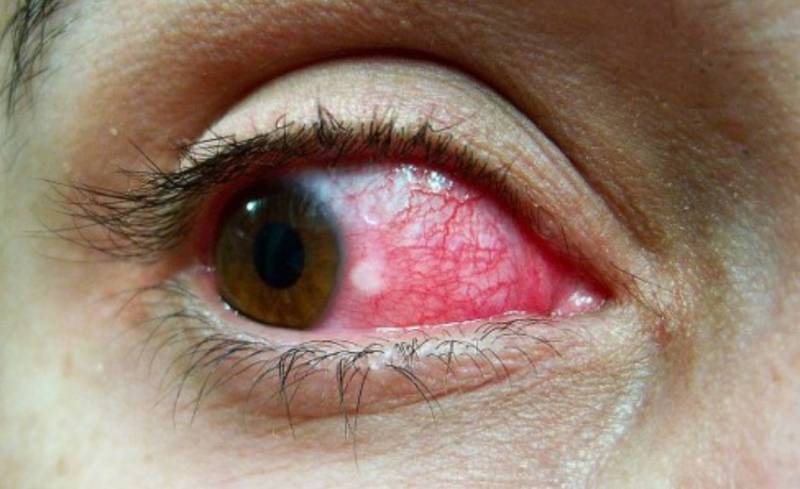
Conjunctivitis, commonly known as “pink eye”, has become a topic of concern. This eye condition manifests as a pink or red discoloration of the white part of the eye, caused when the thin, clear layer covering it becomes irritated or infected.
Several factors can trigger pink eye. Most commonly, it arises from a viral or bacterial infection, much like catching a cold, but centered in the eye. These types are particularly contagious, easily spreading from person to person. Allergies are another cause, with irritants such as pollen, dust, or even pet dander leading to outbreaks. Additionally, foreign objects, like sand or chemicals, such as shampoo inadvertently entering the eye, can also result in this condition.
People with pink eye typically report symptoms like a reddened eye, a sensation akin to having sand in the eye, or a watery or greenish-yellow discharge. There can also be itching, burning, and swelling around the affected area.
It’s worth noting the ease with which pink eye can spread. Simple actions, like touching an infected eye and then coming into contact with others or shared objects, can transmit the condition. There are even instances of it spreading through the air or during close conversations.
To safeguard against pink eye, experts recommend frequent and thorough hand washing, avoiding rubbing or touching the eyes, and for those infected, staying home to prevent its spread. Using personal items like towels and bedding separately and ensuring they are clean is another preventive measure.
While conjunctivitis is undoubtedly uncomfortable, the silver lining is that it’s rarely a serious threat to one’s vision. Nonetheless, if you suspect you have pink eye, it’s always wise to consult a doctor for appropriate treatment and to avoid any complications.
Precautionary Measures
To mitigate the impact and reduce transmission, the following precautionary measures are strongly advised by Experts:
- Protective Eyewear: Wearing sunglasses or clear protective glasses can shield your eyes from airborne particles and potential contaminants.
- Hand Hygiene: Regular hand washing with soap and water for at least 20 seconds can significantly reduce the risk of transferring the virus to your eyes.
- Avoid Touching Eyes: Refrain from touching your eyes, especially when outdoors or in public spaces, to reduce the risk of infection.
- Personal Items: Keep personal items such as towels, beddings, and face cloths separate. Sharing these items can be a direct transmission route.
- Stay Informed: Keeping abreast of local health advisories and updates can help you stay prepared and cautious.
- Environmental Cleanliness: Disinfect commonly touched surfaces in homes and workplaces regularly. Given the virus can linger on surfaces, this step is essential.
- Avoid Close Contact: As a precaution, reduce close contact with individuals who show symptoms of conjunctivitis.
The rainy season often sees a surge in such infections, making the current period particularly critical. Collective effort and adherence to these precautions can play an instrumental role in reducing the spread of this infection. It’s not just about personal safety but ensuring the community at large remains protected.