To foster a culture of educational excellence and eliminate the competitive pursuit of high marks, the Inter-Board Committee of Chairmen (IBCC) has introduced a comprehensive grading overhaul for matric and inter examinations nationwide.
The IBCC has declared that the results for the annual examinations of classes 9th and 11th, slated for 2024, will be unveiled under the auspices of this newly instituted grading paradigm.
Notably, the novel grading framework operates on a 10-point scale (A++, A+, A, B++, B+, B, C, D, E, U), diverging from the prior 7-point grading system (A-1, A, B, C, D, E, F).
The IBCC underscores that the prime objective of this initiative is to mitigate the prevailing race for top marks among students, parents, and institutions. The 10-point grading scheme is intricately designed to augment the assessment and evaluation processes, promoting a more holistic approach to student performance.
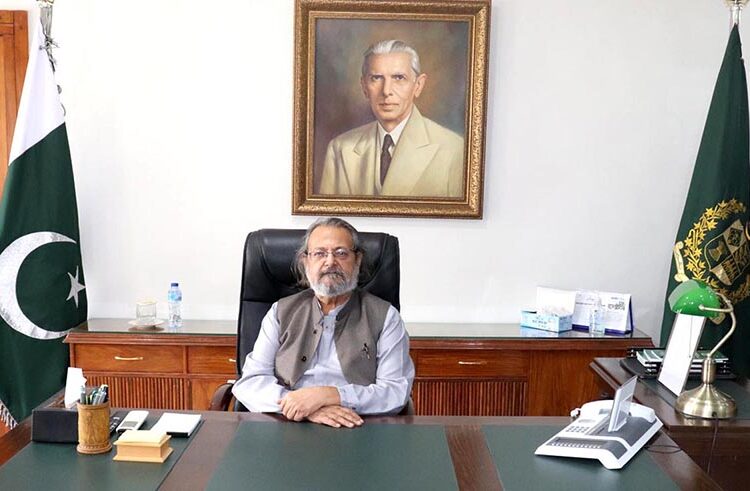
Addressing a dedicated workshop on the implementation of the new grading scheme for Sindh examination boards, IBCC Chairman Ghulam Ali Mallah expressed the committee’s commitment to steering students away from the marks-centric competition, emphasizing a dedication to providing a superior education.
“The event has witnessed an overwhelming response, reflecting the commitment of Sindh Examination Boards towards embracing progressive changes aimed at enhancing the quality of education and assessment,” Mallah added.
Speaking on the occasion, Board of Secondary Education Karachi (BSEK) Chairman Sharaf Ali Shah asserted that the newly introduced grading system would bring convenience for both students and teachers, highlighting its global adoption.
“In the evolving landscape of education, it is imperative to adapt our assessment systems to better serve the needs of our students,” he emphasized.
Importantly, it should be noted that the qualifications remain unaffected by this shift in the grading policy, as the underlying scheme of studies remains unchanged.