
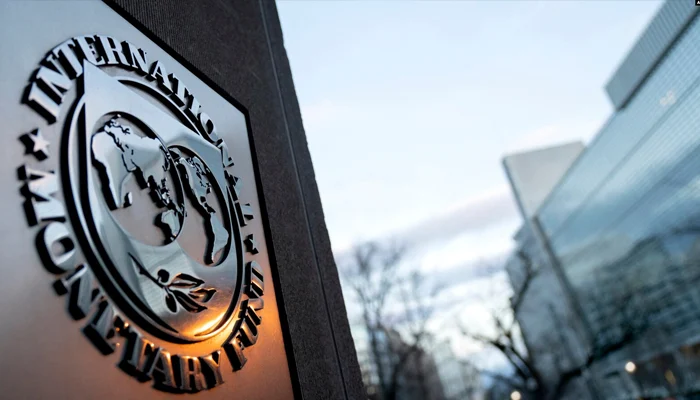
The International Monetary Fund (IMF) has reaffirmed that its $3 billion Standby Arrangement (SBA) program with Pakistan serves as both a policy anchor for tackling domestic and external imbalances and a means to secure financial assistance from other donors, including addressing pending debts.
Julie Kozack, the spokesperson for the global lender, addressed these matters during a press conference held at the IMF headquarters in Washington DC. She responded to questions about the IMF’s engagement with Pakistan and the nation’s requests for relief and permissions related to increased energy prices, particularly electricity bills.
Regarding Pakistan’s requests and concerns about potential human rights implications, especially for minorities and the substantial population living below the poverty line, the IMF’s spokesperson explained, “The program was approved on July 12. It is a nine-month standby arrangement for an amount of $3 billion to support the Authority’s Economic Stabilization program.”
She continued, “The objectives of the program are to provide a policy anchor for addressing domestic and external imbalances and a framework for financial support from other donors, and multilateral and bilateral partners, including fresh financing and rollovers of debt coming due.”
The policy efforts at the core of this program revolve around implementing the fiscal year 2024 budget, pursuing appropriate monetary policies to combat inflation, and continually reforming the energy sector to enhance its sustainability, as outlined by the IMF.
All of these reforms, Kozack stressed, ultimately aim to pave the way for higher, more inclusive, and more resilient economic growth.
“To support social development and climate resilience, the program envisages plans to strengthen public financial management and tax administration efforts, and to better prioritize public investment.”
She further highlighted that these efforts are being supported not only by the IMF but also by institutions such as the World Bank and the Asian Development Bank.
Kozack concluded by noting that IMF Managing Director Kristalina Georgieva is deeply committed to addressing poverty and inequality. “Her plea was to place the burden on the wealthy segments of society,” Kozack stated, emphasizing the importance of wealthier individuals paying their taxes in Pakistan, where the tax-to-GDP ratio is notably low. She also reiterated that the program is designed to protect the poor and vulnerable members of society.


16 Comments