Brief Political History
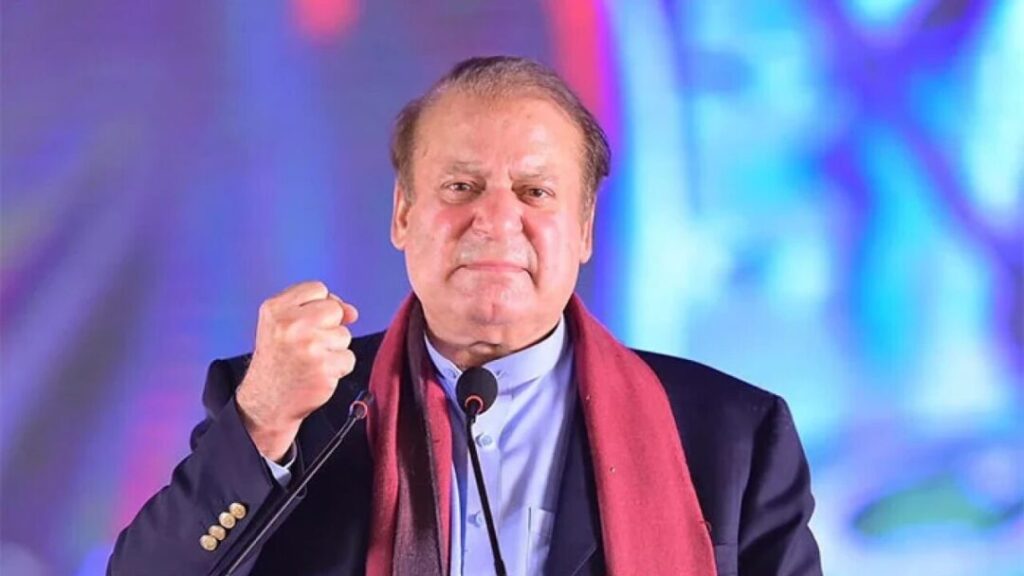
Nawaz Sharif stands as a dynamic and influential figure in Pakistani politics, known as a dynamic leader and transformative figure. Born on December 25, 1949, in Lahore, Pakistan, Sharif emerged from a family deeply rooted in business and politics. His journey to prominence began with a strong foundation in business, which propelled him into the political arena.
Sharif’s political career took off in the 1980s when he joined the Pakistan Muslim League (PML-N). His rise was swift. By 1990, Nawaz Sharif became Prime Minister, marking the beginning of several influential tenures. His leadership, as a dynamic leader and transformative figure, profoundly shaped Pakistan’s modern political landscape. He characterized his leadership with ambitious economic reforms, infrastructural developments, and a steadfast commitment to national progress.
Electoral Performance
Nawaz Sharif’s electoral career reflects his resilience and dedication to Pakistan’s advancement:
- 1990: Nawaz Sharif led the Pakistan Muslim League (PML-N) to victory in the general elections, becoming the Prime Minister of Pakistan. His tenure was marked by significant economic growth and infrastructure projects.
- 1993: Despite facing political challenges and a tumultuous political climate, Sharif’s leadership continued to drive economic reforms and development initiatives.
- 1997: Sharif secured a decisive victory in the elections, allowing him to pursue his agenda of modernization and reform with renewed vigor.
- 2013: He returned to power for a third term, focusing on economic stabilization, energy sector improvements, and infrastructure development.
- 2017: Sharif’s tenure faced a pivotal moment with legal and political challenges leading to his disqualification from office by the Supreme Court of Pakistan. Despite this, his political influence persisted, and he remained a prominent figure in Pakistani politics through his party’s activities and his enduring legacy.
Political Career and Achievements
As Prime Minister, Nawaz Sharif spearheaded several key initiatives that transformed Pakistan’s economic and infrastructural landscape:
- Economic Reforms: Sharif’s government championed economic liberalization, promoting private sector growth and foreign investment. His policies were instrumental in revitalizing Pakistan’s economy, fostering industrial growth, and enhancing economic stability.
- Infrastructure Development: Under Sharif’s leadership, Pakistan witnessed a surge in infrastructure projects, including the development of highways, bridges, and energy projects. These initiatives were crucial in modernizing the country’s infrastructure and supporting economic growth.
- Energy Sector Improvements: Nawaz Sharif prioritized energy sector reforms, focusing on increasing electricity generation and improving the efficiency of power distribution. These efforts aimed to address the chronic energy shortages that plagued Pakistan.
- Public Sector Reforms: Sharif’s administration worked to streamline and improve the efficiency of public sector institutions, promoting transparency and accountability in governance.
Legacy and Influence
Nawaz Sharif’s legacy is defined by his unwavering commitment to Pakistan’s development and modernization. His leadership style, characterized by resilience, determination, and a focus on economic and infrastructural progress, has left a profound impact on the nation.
Despite facing numerous challenges and controversies throughout his career, Sharif’s contributions to Pakistan’s economic and infrastructural development remain significant. His vision for a prosperous and modern Pakistan continues to inspire political leaders and policymakers. Nawaz Sharif, as a dynamic leader and transformative figure, has had a lasting influence on the country’s political landscape.
Even after his political career, Nawaz Sharif’s influence endures. His life and achievements are a testament to his dedication to Pakistan’s progress and his role as a transformative leader in the country’s political history.
Disclaimer: The information provided is based on available sources and is intended for general informational purposes. For any inaccuracies or additional information, please leave a comment or contact us. We value your feedback and strive for accuracy.