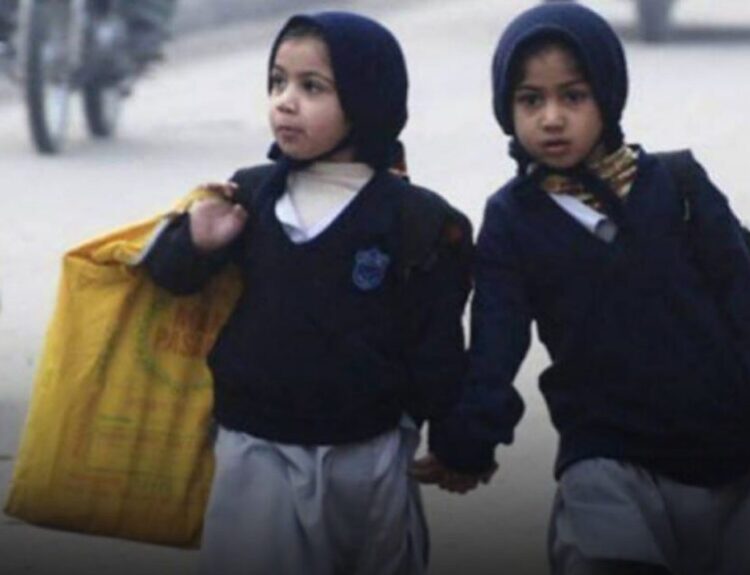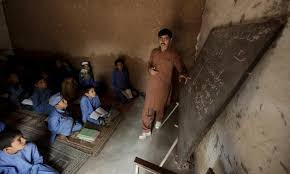
Balochistan faces a severe education crisis, with a large number of children out of school and insufficient data to properly tackle rising dropout rates, Education Minister Raheela Hameed Khan Durrani has warned.
Scope of the Problem
Speaking at a policy roundtable organised by the Data and Research in Education‑Research Consortium (DARE‑RC), Minister Durrani described the large number of out‑of‑school children as the “biggest challenge” confronting the province.
She emphasised that a lack of up‑to‑date and reliable data makes it hard to design effective policy responses.
Gender Disparities and Dropouts
Of particular concern is the high dropout rate among young girls. Minister Durrani highlighted that girls are especially vulnerable to leaving school, and part of the ministry’s strategy will focus on reducing this gender gap.
Efforts Underway
To address the crisis, the education department is pushing for use of more sophisticated research tools and data analytics to inform policy. The minister praised DARE‑RC’s initiative to align academic research with government policy, suggesting that such cooperation is vital for long‑term solutions.
Past efforts also include collaboration with organisations like the Pakistan Institute of Education (PIE) and Japanese International Cooperation Agency (JICA) aiming to enrol millions of out‑of‑school children through formal and nonformal programmes.
Underlying Causes
Other recent reports suggest multiple structural issues deepening the crisis: large numbers of schools are non‑functional, many operate with a single teacher, and basic facilities (such as toilets, boundary walls, water, electricity) are missing in many schools.
Why It Matters
The educational exclusion, particularly of girls, not only violates constitutional guarantees (including Article 25‑A, which ensures free and compulsory education for children aged 5‑16), but also undermines social and economic progress in Balochistan. Low enrolment and high dropout rates have cascading impacts — fewer skilled young people, persisting gender inequality, and reduced overall literacy.
Looking Forward
Minister Durrani’s appeal is for evidence‑based policymaking — that is, policy interventions rooted in accurate, current data. Among the recommended actions are:
Prioritising enrolment, especially of girls, through transport facilities, community‑based schooling, and alternative learning programmes.
Upgrading school infrastructure and ensuring basic facilities so that schools are usable and safe. Recruiting and deploying teachers to fill gaps, especially in remote or underserved areas. Repairing and reopening non‑functional schools, including those damaged by environmental disasters.