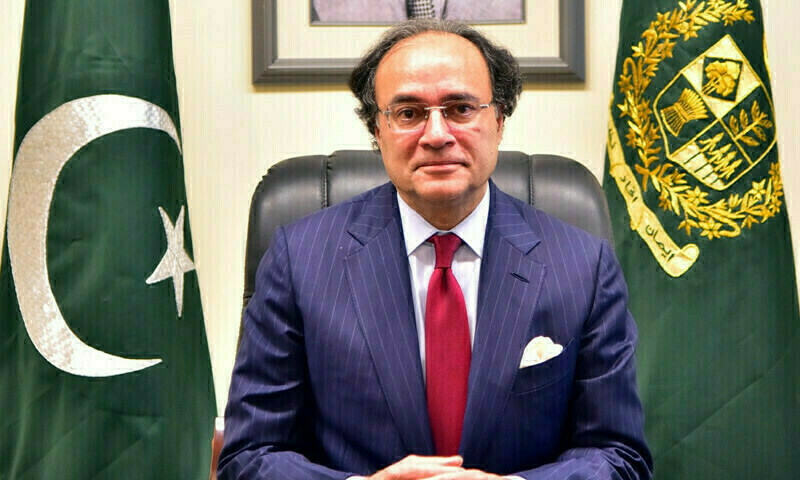
akistan’s Finance Minister Muhammad Aurangzeb cautioned that the nation will continue to rely on International Monetary Fund (IMF) bailouts if it fails to significantly enhance its tax revenue.
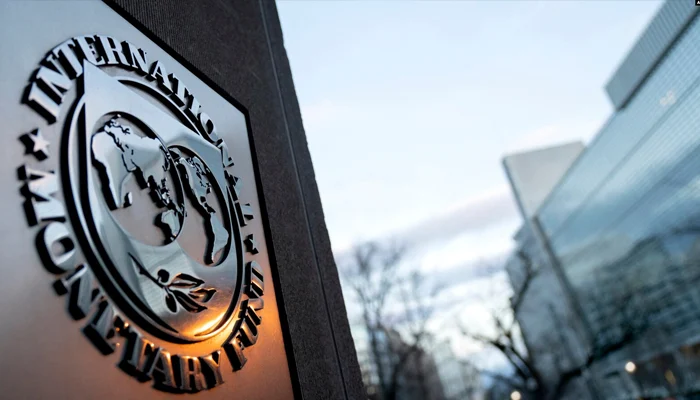
Aurangzeb expressed “relative confidence” in securing a staff-level agreement with the global lender this month for an anticipated loan ranging from $6 to $8 billion.
In an interview with the Financial Times, Aurangzeb emphasized the critical nature of improving tax revenues to avoid future IMF programs. The federal government recently introduced a tax-heavy Rs18.877 trillion budget for the fiscal year 2024-25 (FY25), designed to bolster public revenue and meet the IMF’s stringent demands for improved tax collection.
The new budget targets a revenue increase to Rs13 trillion by next July, a substantial 40% hike from the current fiscal year. This move aims to alleviate the country’s severe debt burden, which currently consumes 57% of government revenue through interest payments. The proposed tax increases will predominantly affect salaried workers, a minor segment of Pakistan’s largely informal economy, as well as certain retail and export sectors. The budget also includes stringent measures against tax evaders, such as restrictions on mobile phone usage, gas and electricity access, and international travel.
Aurangzeb stressed the urgency of the situation, stating, “We do not have five years for our program. We have to start showing, start delivering, in the next two to three months.” He noted that investor confidence is rising, as evidenced by the strong performance of the KSE-100 index, one of Asia’s best-performing stock markets this year. However, he acknowledged the significant challenges ahead in steering Pakistan toward long-term growth and debt sustainability.
Pakistan’s debt has escalated since the mid-2000s due to a failure to channel international loans into productive, export-oriented sectors. Instead, the country remains heavily dependent on imports, compelling Islamabad to continually borrow to manage its growing debt. Aurangzeb highlighted the necessity of developing the capacity to repay loans, warning, “As long as this economy stays import-based, what happens is the moment it heats up, we run out of dollars and have to go back to the lender of last resort on our knees.”
Prime Minister Shehbaz Sharif has recently visited Saudi Arabia, the United Arab Emirates, and China to attract investments alongside the IMF program, which would be Pakistan’s 24th engagement with the multilateral lender. Aurangzeb underscored the need for “bankable, investable projects” to secure equity and board seats demanded by Gulf investors, asserting, “The ball is in our court.”
He also criticized the Federal Board of Revenue (FBR) for its corruption and harassment, which deters people from engaging with the tax authority. “People don’t want to deal with the tax authority because of corruption, because of harassment, because of people asking for speed money, facilitation money,” he said. “That’s not sustainable.”
Aurangzeb acknowledged the public’s burden, empathizing with their plight. “I empathize with the pain people will feel. I was one of the highest taxpayers, at least in the banking sector,” he added.