Caretaker Finance Minister Dr. Shamshad Akhtar has announced that Pakistan will commence negotiations with the International Monetary Fund (IMF) for the quarterly review by the end of October in pursuit of securing the next tranche of financial support.
Speaking during a briefing to the Senate Standing Committee on Finance and Revenue, Dr. Akhtar highlighted the challenging economic landscape she encountered upon assuming office on August 17. She noted that the macroeconomic indicators at that time were “very bad,” with inflation soaring to 38%. However, she conveyed some optimism, stating that inflation had started to decline.
The interim finance minister reported that in 2023, inflation had reached a record high, while the GDP had plummeted to 0.3%. Dr. Akhtar attributed the persistent inflation to high demand, indicating that it had halted its upward trajectory but had yet to decline.
Additionally, she revealed that major industries witnessed a 10% production decrease in 2023, and agricultural output had also dipped by 2.5% in 2022. The country’s economic challenges were further compounded by natural disasters like floods and the Ukraine war, leading to a rise in poverty, with 4 million people falling into this category, and unemployment reaching 10%.
Highlighting the pressure on Pakistan due to debt repayment, Dr. Akhtar affirmed that the caretaker government was actively working to restore economic stability through institutional reforms. Her ministry was diligently crafting an economic recovery program, focusing on short and medium-term measures to pave the way for sound economic decisions in the future. She added that provinces had been instructed to curtail their expenses.
Dr. Akhtar reassured the senators of the caretaker government’s commitment to implement the IMF program. She also noted that the State Bank of Pakistan (SBP) had foreign exchange reserves equivalent to covering 1.5 months of imports, while the country required $20 billion for the current year.
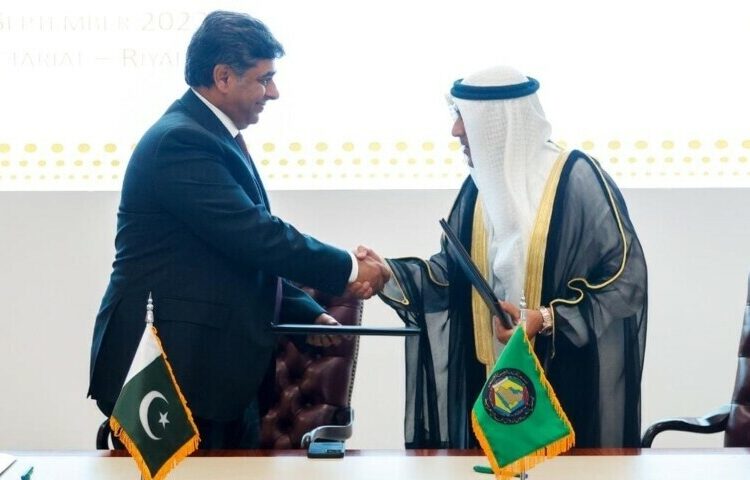
Expressing optimism about the country’s economic trajectory, the finance minister stated that confidence was growing, and Pakistan anticipated more support from friendly nations. She revealed that the government had sought financing assistance from Saudi Arabia and China, including a request for oil on loan from Riyadh.
The interim government’s engagement with the IMF had gained momentum just before the dissolution of the National Assembly in August. Pakistan had entered into a 9-month Stand-By Arrangement (SBA) with the IMF, securing approximately $3 billion in funding. After receiving the IMF Executive Board’s approval, Pakistan had already received an initial disbursement of SDR894 million (approximately US$1.2 billion), with the remaining funds to be disbursed over the program’s duration, subject to quarterly reviews.
These measures were taken as part of Pakistan’s commitment to meet IMF conditions, which involved implementing stringent economic measures, such as raising interest rates and increasing taxes. The IMF had engaged with various political parties, including the PTI, to garner support and consensus for the SBA as Pakistan prepared for elections scheduled in October.