The government has projected a substantial increase in Pakistan’s inflation rate for September, with expectations that it will reach 31%, primarily due to the soaring prices of electricity and fuel.
This forecast coincides with recent international publications that have ranked Pakistan as having the highest inflation rate in Asia.
According to the Ministry of Finance’s monthly economic outlook, inflation for September 2023 is expected to fall within the range of 29% to 31%. This projection, as indicated in the report by the economic advisor wing, marks a reversal of the recent downward trend in inflation. In August, inflation had slightly eased to 27.4% after reaching a peak of 38% in the previous fiscal year.
The Asian Development Outlook, the flagship publication of the Asian Development Bank, had earlier projected an average inflation rate of 25% for Pakistan in the current fiscal year. This forecast positions Pakistan’s inflation rate as the highest among all Asian economies, despite having the fourth-lowest economic growth rate.
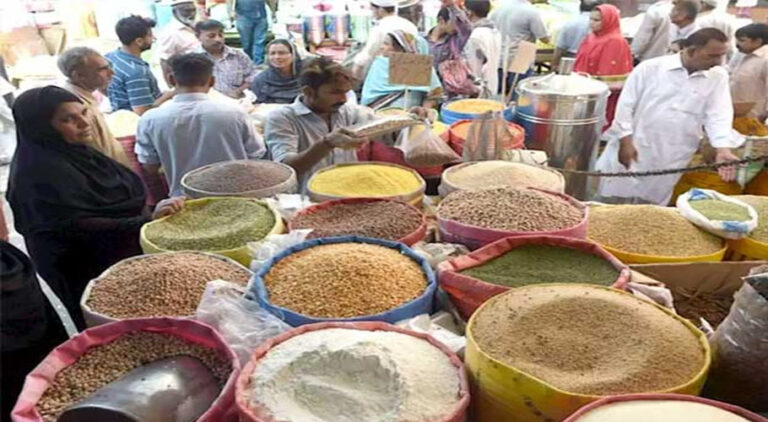
The finance ministry noted that the upward adjustments in energy tariffs are expected to further intensify inflationary pressures in the coming months. These price increases are anticipated to place an additional burden on transportation costs, essential items, and services, leading to sustained high inflation, exacerbated by a significant rise in fuel prices this month.
The official inflation reading for September is expected to be announced by the Pakistan Bureau of Statistics (PBS) shortly.
Despite the government’s inflation target being set at 21%, it is expected to be missed by a significant margin due to the persistent high inflationary pressures.
The ministry’s report highlighted that the State Bank of Pakistan (SBP) has maintained the policy rate at the previous level due to anchored inflation expectations. While the double-digit base effect provides some relief to September’s inflation, its impact appears to be minimalized due to the substantial increase in fuel prices in September 2023.
Although international food prices witnessed some decline last month, this reduction offset the impact of rising rice and sugar prices.
The report also mentioned a risk to the cotton crop due to pest attacks but noted that cotton arrivals are higher compared to last year. This recovery comes after devastating floods affected cotton production last year, with arrivals of cotton as of September 15, 2023, increasing by 80% compared to the same period last year, according to the Pakistan Cotton Ginners’ Association (PCGA).
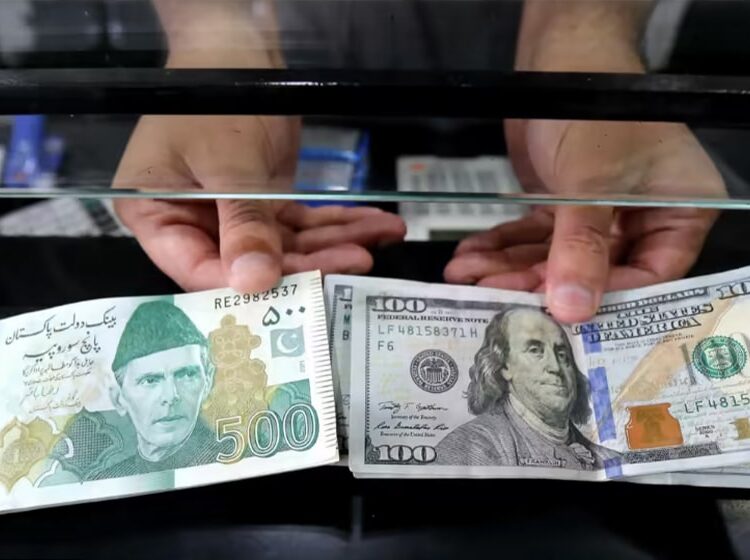
On the external front, the finance ministry anticipates an increase in foreign remittances due to government actions against speculative activity in the foreign exchange market. This crackdown is expected to positively impact remittances, trade, and the current account balance.
Furthermore, Pakistan’s main export markets, including the US, the UK, the Euro Area, and China, are exhibiting positive trends in trade, indicating prospects for export growth in the coming months. However, imports are expected to gradually rise to stimulate economic activities, which may help maintain a sustainable current account balance, according to the finance ministry.
The finance ministry expressed satisfaction with the fiscal performance thus far and expects that economic revival plans and prudent actions, including policies such as the Special Investment Facilitation Council (SIFC) and the IT policy, will attract new investments, fostering higher and more inclusive economic growth in FY2024 and beyond.
For July-August FY2024, the current account posted a deficit of $935 million, compared to a deficit of $2 billion in the previous year, largely reflecting an improvement in the trade balance.