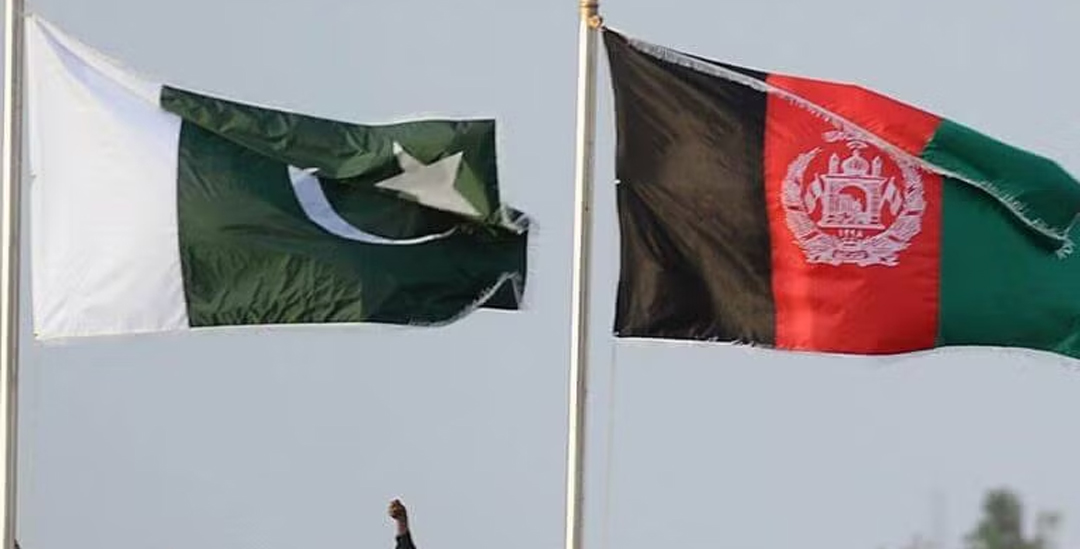
Pakistan’s Interim Foreign Minister, Jalil Abbas Jilani, held a crucial meeting with his Afghan counterpart, Amir Khan Muttaqi, to discuss the pressing challenges facing regional peace. This diplomatic encounter comes as Pakistan grapples with an alarming increase in terror activities, some of which involve Afghan nationals.
In a significant move, the caretaker government has issued a 28-day deadline, expiring on November 1, for all illegal immigrants within its borders, including Afghan refugees. Those failing to comply will face forceful expulsion.
The Ministry of Foreign Affairs conveyed Jilani’s emphasis on addressing regional peace and stability challenges through collaborative efforts and collective strategies. The Foreign Minister also reaffirmed Pakistan’s commitment to strengthening bilateral ties with Afghanistan during this high-stakes meeting.
This critical diplomatic exchange occurred in Tibet, China, where the Pakistani Foreign Minister is on a visit to participate in the Third Trans-Himalaya Forum for International Cooperation, spanning from October 4 to 5.
The decision to urge illegal migrants to depart the country stems from Pakistan’s recent surge in unlawful and terror-related activities. Interim Interior Minister Sarfraz Bugti, speaking on October 3, announced the November 1 deadline, urging all illegal immigrants to leave voluntarily or face forcible expulsion.
Disturbingly, Bugti disclosed that Afghan nationals were responsible for 14 out of 24 suicide bombings that occurred in the country this year. He pointed out that a staggering 1.73 million Afghan nationals in Pakistan lack legal documentation to remain in the country, with a total of 4.4 million Afghan refugees residing in Pakistan.
Pakistan’s history of hosting Afghan refugees dates back to the Soviet invasion of Kabul in 1979. However, the nation has experienced an alarming surge in terrorism since the outlawed Tehreek-e-Taliban Pakistan (TTP), a group with safe havens in Afghanistan, revoked a ceasefire with the government late last year.
Recent tragic events include two suicide bombings targeting religious gatherings in Pakistan, resulting in the loss of at least 57 lives. Alarmingly, one of the suicide bombers has been identified as an Afghan national.
Meanwhile, the Taliban authorities in Afghanistan have been making efforts to entice back those who left, despite the nation suffering from a significant reduction in aid following the collapse of the US-backed government. In response to Pakistan’s plan to evict hundreds of thousands of Afghan migrants, the Taliban authorities have labeled it “unacceptable.”
This situation underscores the intricate challenges and diplomatic tensions surrounding Pakistan’s efforts to address illegal immigration, terrorism, and regional security concerns, particularly those involving Afghan nationals.