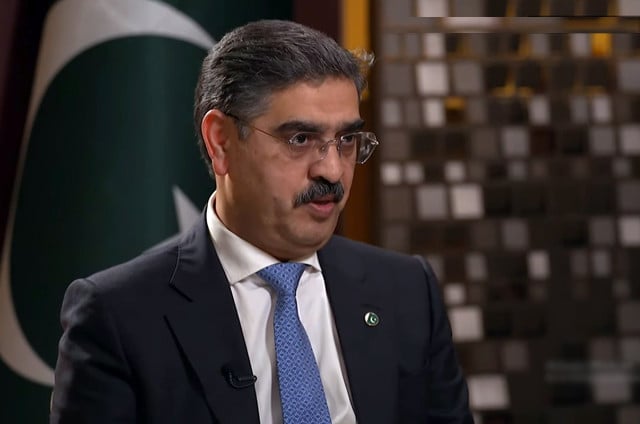
Caretaker Prime Minister Anwaar-ul-Haq Kakar has revealed that the Pakistani government is on track to strike a deal with Saudi Arabia by December this year, potentially selling shares in the Reko Diq project, one of the world’s largest gold and copper mines situated in Balochistan.
In an interview with Arab New, the premier emphasized ongoing negotiations with Riyadh, expressing optimism about reaching an agreement by the end of the year. He indicated that the government welcomes Saudi Arabia’s involvement in the project, emphasizing the potential benefits of their participation.
Under the current arrangement, the Canadian company Barrick Gold Corporation owns 50% of the project’s shares, with the Chilean company, Antofagasta, having withdrawn in exchange for a substantial sum. Pakistani governmental entities, including the Oil and Gas Development Company Limited (OGDCL), Pakistan Petroleum Limited (PPL), and Government Holdings Private Limited (GHPL), collectively hold 25% of the shares, while Balochistan retains the remaining 25%.
Premier Kakar highlighted the significance of the Reko Diq project, projecting its substantial output of copper and gold for over five decades. He mentioned Barrick’s stance on not selling their stake but indicated the possibility of Saudi Arabia acquiring Pakistan’s equity, potentially altering the ownership structure of the project.
The premier also discussed the newly established Special Investment Facilitation Council (SIFC), designed to streamline foreign investments and resolve any concerns of potential investors. He assured that the SIFC would address issues such as repatriation of funds and bureaucratic hurdles, aiming for a simplified and expedited investment process.
Furthermore, he emphasized the incorporation of a dispute resolution mechanism under the SIFC platform, which has garnered positive feedback from external parties. With these measures in place, the premier expressed confidence in the potential of SIFC to attract substantial investments, stating that the reported $60 billion estimate over the next five years could even be surpassed.