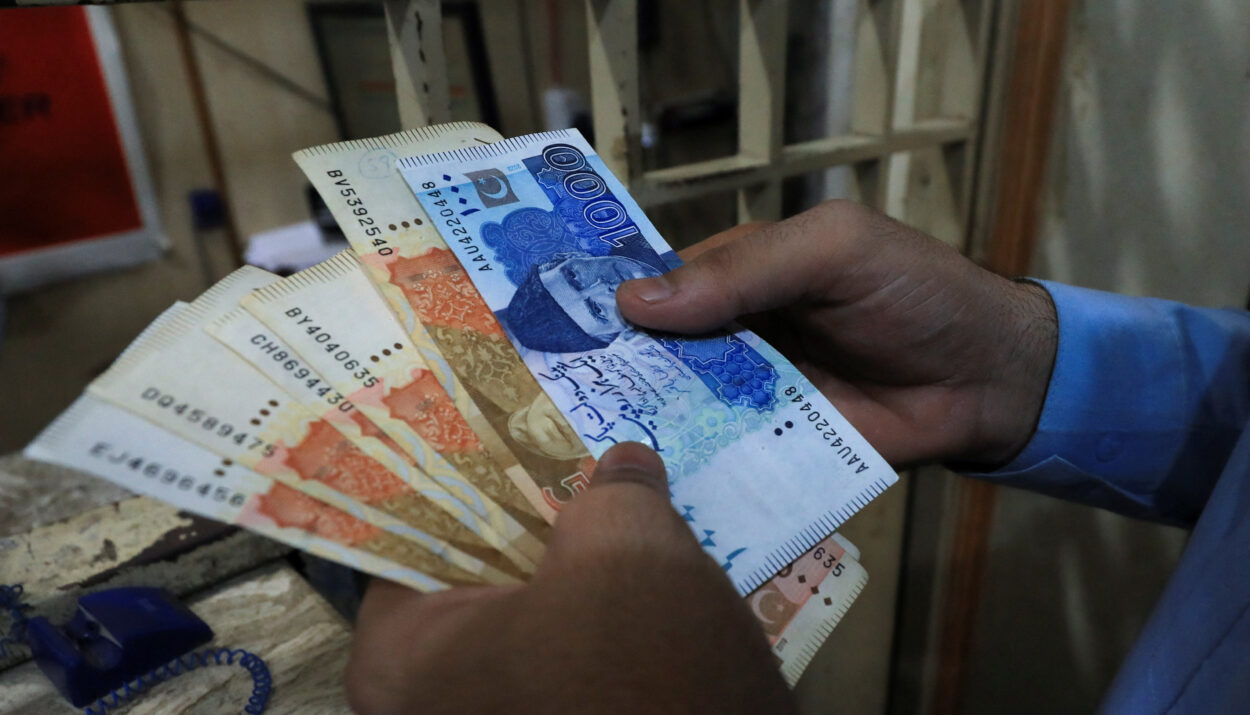
Despite a nine percent appreciation of the Pakistani rupee against the US dollar since September 5, the substantial decrease in global prices and reduced transportation costs, the benefits of these developments have not translated into significant relief for consumers in the retail markets, even after almost two months.
Retailers have been sluggish in adjusting prices downward, often citing the need to clear existing high-priced stocks before making adjustments.
The decrease in the value of the dollar against the rupee, along with a gradual decline in diesel prices, should have had a substantial impact on retail prices. However, the adjustments have been slower than expected, particularly in light of the downward trend in wholesale rates.
Amidst this context, the only significant price relief that consumers have witnessed is in the case of sugar, following a crackdown on the sugar mafia, hoarders, and smugglers. The wholesale and retail prices of sugar have notably decreased, presenting a positive development for consumers.
On the other hand, the prices of various pulses have shown a mixed trend, with slight reductions observed in both wholesale and retail rates. Similarly, the prices of ghee and cooking oil have reportedly seen minor drops according to the Sensitive Price Indicator (SPI) data.
In contrast, some essential commodities, such as rice and milk, have experienced limited price reductions despite favorable market conditions. Market observers suggest that some retailers are taking advantage of loose pricing structures, exerting additional profit margins of up to 30-40 percent on certain items without printed prices. The powerful lobby of packed milk has increased prices despite the appreciating rupee and reduced transportation costs.
The Karachi Wholesalers Grocers Association has called for a more extensive crackdown on commodities like rice and pulses, emphasizing the need for more comprehensive measures to bring down retail prices. Additionally, they proposed that the government should discontinue wheat quotas for flour mills and make confiscated sugar available at a subsidized rate to assist lower-income segments of the population.