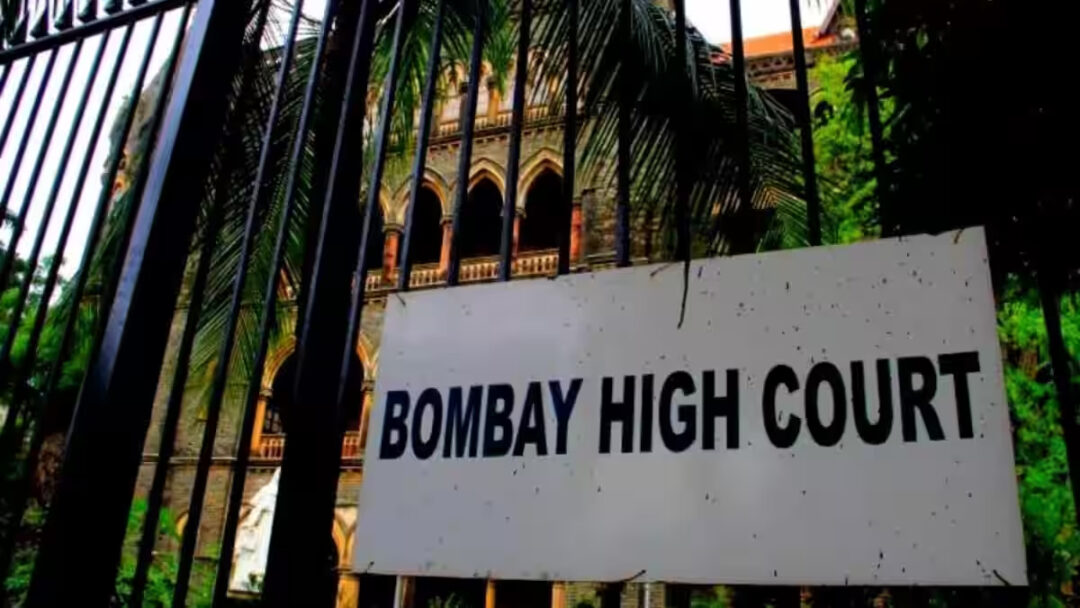
The Bombay High Court dismissed a petition advocating for the prohibition of Pakistani artists in India. The petition, brought forward by cine worker and artiste Faaiz Anwar Qureshi, called for the Indian government to impose a ban on Pakistani artists, encompassing actors, musicians, singers, lyricists, and technicians, from engaging in collaborations or work within the country.
As reported by Bollywood Hungama and Live Law India, the division bench comprising Justice Sunil B Shukre and Justice Firdosh P Pooniwalla rejected the plea, emphasizing the pivotal role of artistic exchanges in fostering peace and cultural unity.
The court’s decision, underscored by a profound appreciation for the transformative impact of art, music, sports, culture, and dance in fostering cohesion and unity, conveyed a resolute message. The judges noted, “A person of goodwill would embrace any endeavor that fosters peace, harmony, and tranquility within the country and across borders. Arts, music, sports, culture, dance, and similar forms of expression transcend nationalities, cultures, and boundaries, promoting genuine peace, tranquility, unity, and harmony both within and between nations.”
Emphasizing the idea that art transcends geographical boundaries and unites people, the court reiterated that being a patriot doesn’t necessitate hostility towards individuals from foreign nations, even neighboring ones. They argued that a true patriot is someone who selflessly dedicates themselves to their country and its well-being.
The court further highlighted the commitment of the Indian government to uphold global peace and security, in accordance with Article 51 of the Indian Constitution. This was particularly pertinent as the ongoing World Cup 2023, hosted in India, saw the participation of the Pakistan Cricket team for almost a month. The court recognized that the presence of the Pakistani team in India was made possible due to the positive steps taken by the Government of India in the interest of peace and harmony. The ruling emphasized the necessity of backing initiatives aimed at fostering international peace and security.
The demand for a ban on Pakistani artists traces back to 2019 when several segments of society urged for restrictions on cultural and artistic exchanges with Pakistan. Consequently, artists such as Fawad Khan, Mahira Khan, Atif Aslam, and Rahat Fateh Ali Khan, among others, have abstained from working in India.