Brief Political Biography
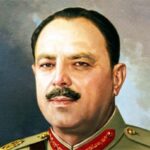
Iskandar Mirza Pakistani political leader, renowned for his pivotal role during a transformative period in the nation’s development. As an influential Political Leader, he was born on November 13, 1899, in Murshidabad, India. Mirza came from a distinguished family with a strong background in administration. His early career in the British Indian Civil Service laid a solid foundation for his future political endeavors.

Political Rise and Tenure
Mirza’s political journey gained momentum when he joined the Pakistan Administrative Service after the country’s independence in 1947. His expertise and strategic vision quickly propelled him into prominent positions. By 1955, Mirza became the first Governor-General of Pakistan, a role that highlighted his influential presence in the nation’s politics.
In 1956, Iskander Mirza played a crucial role in shaping Pakistan’s political landscape by becoming the country’s first President, a position he held until 1958. During his presidency, he focused on modernizing the administration and strengthening central authority. Mirza’s tenure witnessed significant political shifts and reforms, which played a critical role in Pakistan’s early governance.
Electoral Performance and Key Contributions
Throughout his political career, Mirza demonstrated remarkable resilience and adaptability:
- 1955: Mirza’s appointment as Governor-General marked the beginning of his influential role in Pakistan’s politics, setting the stage for his future presidency.
- 1956: As the first President of Pakistan, Mirza worked to consolidate power and implement administrative reforms aimed at stabilizing the new nation.
- 1958: His presidency ended amidst political turmoil, but his legacy continued to shape Pakistan’s political evolution.
Achievements and Legacy
Iskandar Mirza’s legacy is defined by his efforts to strengthen and modernize Pakistan’s political system. His leadership during a crucial period of nation-building included:
- Administrative Reforms: Mirza introduced significant changes in the administrative structure, aiming to enhance efficiency and governance.
- Central Authority: His presidency played a key role in consolidating central authority, which was essential for maintaining national stability.
Despite facing challenges and controversies, Mirza’s contributions to Pakistan’s early political framework remain noteworthy. His role in shaping the country’s administrative and political landscape continues to be recognized and studied by historians and political analysts.
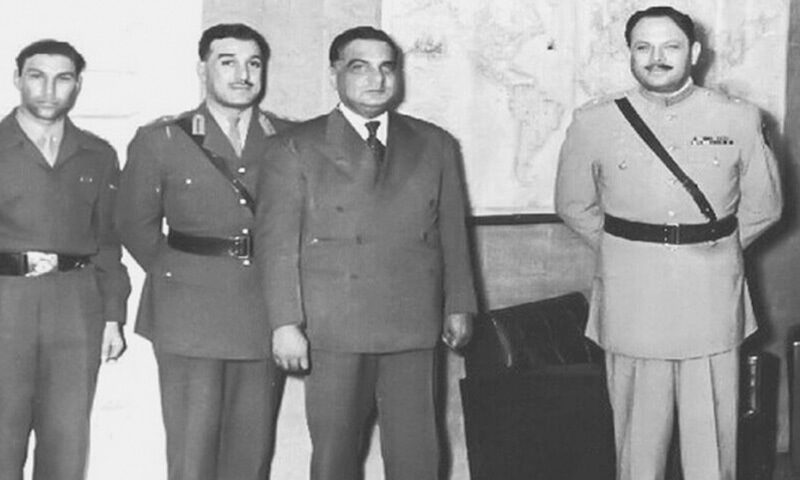
Enduring Influence
Even after his presidency, Iskandar Mirza’s impact on Pakistan’s political history endures. Iskandar Mirza Pakistani Political Leader, his commitment to administrative reform and central authority left a lasting mark on the country’s governance. Mirza’s contributions as a transformative leader continue to provide valuable insights into Pakistan’s political evolution.
Disclaimer: The information provided is based on available sources and is intended for general informational purposes. For any inaccuracies or additional information, please leave a comment or contact us. We value your feedback and strive for accuracy.