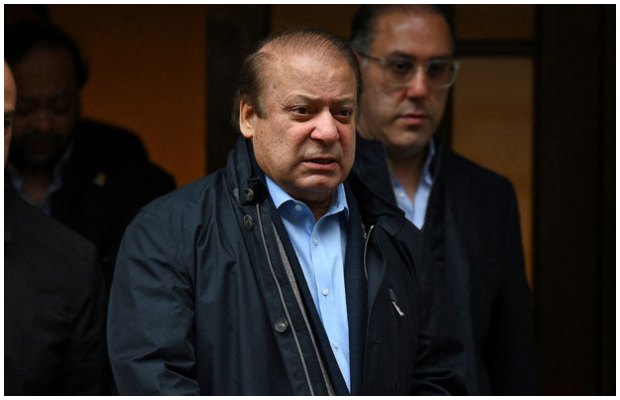
– A medical report concerning the health of PML-N leader Nawaz Sharif, who is set to return to Pakistan after four years in self-imposed exile, has been submitted to the Lahore High Court (LHC).
The report reveals that the former prime minister has “some residual anginal symptoms” that will necessitate “frequent follow-up investigations” in both London and Pakistan. Angina, characterized by chest pain or discomfort, is a common symptom of coronary heart disease.
Nawaz Sharif had initially departed for London in 2019 during his seven-year jail term, citing medical reasons. The Lahore High Court had granted him permission to travel abroad for an initial period of four weeks, with the possibility of extensions based on medical assessments. His brother, Shehbaz Sharif, had submitted an undertaking to provide periodical notarized medical reports to the LHC registrar.
Despite these arrangements, Nawaz Sharif did not return to Pakistan and was subsequently declared a proclaimed offender in various corruption cases. His planned return to Pakistan is scheduled for October 21, according to statements made by Shehbaz Sharif and party leaders.
The fresh medical report, submitted by lawyer Amjad Pervez, was signed by Professor Carlo Di Mario, a consultant cardiologist at the Royal Brompton & Harefield Hospitals, part of Guy’s and St Thomas’ National Health Service Foundation Trust. Professor Di Mario had been overseeing Nawaz Sharif’s medical care during his stay in London.
The report indicates that initial attempts at medical treatment were made to address Nawaz Sharif’s persistent anginal symptoms. However, due to the ongoing Covid-19 pandemic and his worsening symptoms, it was deemed unsafe for him to return to Pakistan. In November 2022, another angioplasty was performed, targeting an “occluded left circumflexed artery.” The procedure involved various interventions, including rotational atherectomy, intravascular lithotripsy, and the deployment of multiple stents under IVUS (Intravascular ultrasound) guidance.
Despite these medical interventions, the report states that Nawaz Sharif still experiences residual anginal symptoms due to diffuse distal coronary disease, in the context of diabetes and multiple comorbidities. This condition requires ongoing and frequent follow-up investigations, both in London and Pakistan.