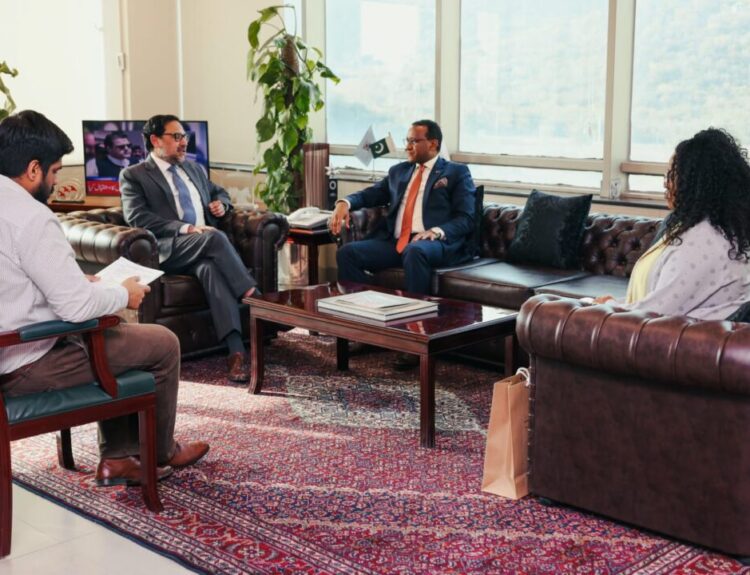
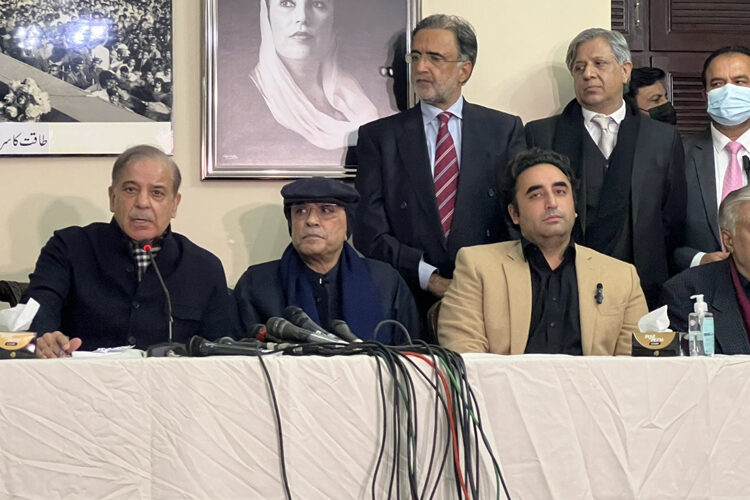
Pakistan and the Afghan Taliban regime are holding a new round of talks in Istanbul on Thursday, aiming to ease escalating tensions following last month’s deadly border clashes.
The ongoing discussions come after a previous round of negotiations, also held in Istanbul, led to an interim agreement to uphold a ceasefire.
The earlier five-day talks, which began on October 25 in Turkiye, ended abruptly when Pakistan rejected what it called the Taliban delegation’s “illogical” arguments and refusal to address Islamabad’s concerns over cross-border terrorism. However, diplomatic mediators persuaded both sides to reconvene, resulting in a last-minute agreement to maintain the ceasefire and prevent further hostilities.
In a joint statement following the previous talks, the Turkish Foreign Ministry confirmed that all parties had agreed to establish a monitoring and verification mechanism. “All parties have agreed to put in place a monitoring and verification mechanism that will ensure maintenance of peace and impose a penalty on the violating party,” the communique stated.
A day before the resumption of talks, Pakistan’s Defence Minister told reporters outside parliament that a delegation had departed for Istanbul to engage with the Taliban regime’s representatives. “Afghanistan should act wisely for peace in the region… If there is no possibility of progress, then it is just a waste of time,” he remarked.
Earlier this week, DG ISPR Lt. General Ahmed Sharif warned during an informal briefing to journalists that any external aggression against Pakistan would be met with a “firm and severe” response. He revealed that Pakistan had killed several cross-border militants, many identified as Afghan nationals, and highlighted the role of opium cultivation in financing militancy.
The DG ISPR also accused certain elements in Afghanistan of providing safe havens to militants from Balochistan and of relocating fighters into civilian areas to use them as human shields. After the briefing, Geo News anchorperson Hamid Mir said that evidence was presented showing the involvement of Afghan Taliban soldiers in terrorism inside Pakistan.
Islamabad-Kabul Tensions
Pakistan has been facing a surge in terrorist attacks, particularly in Khyber Pakhtunkhwa and Balochistan, since the Afghan Taliban seized power in 2021. Islamabad has repeatedly urged Kabul to rein in militant groups operating from Afghan soil, but the Taliban regime has largely ignored these calls, providing refuge to multiple terrorist outfits targeting Pakistani security forces and civilians.
Tensions spiked on October 12 when Taliban forces launched unprovoked firing along the border, prompting a strong retaliatory response from Pakistan’s Armed Forces. The clashes left over 200 Taliban fighters dead, though Pakistan also lost 23 soldiers. In response, Pakistan conducted targeted strikes inside Afghanistan, including in Kabul, destroying terrorist hideouts.
Hostilities subsided after the Taliban regime requested a temporary ceasefire on October 17, which Pakistan accepted. Subsequent talks mediated by Qatar in Doha led to an agreement to uphold the truce.
Turkiye later hosted the second round of negotiations in Istanbul from October 25 to 31, aimed at sustaining peace and establishing a long-term framework for border stability.