Discover the complete list of Prime Ministers of Pakistan, their tenures, and key achievements. Learn about the political history and leaders who shaped the nation’s governance from 1947 to the present.
1. Liaquat Ali Khan (1947-1951)
Liaquat Ali Khan was Pakistan’s first Prime Minister and a close aide of the nation’s founder, Muhammad Ali Jinnah. His tenure began immediately after the independence of Pakistan in 1947. He laid the foundation of Pakistan’s administrative structure and shaped its foreign policy. Liaquat Ali Khan’s government addressed the massive influx of refugees from India, tackled economic challenges, and worked on formulating Pakistan’s first constitution. His tenure ended abruptly when an assassin took his life in 1951.
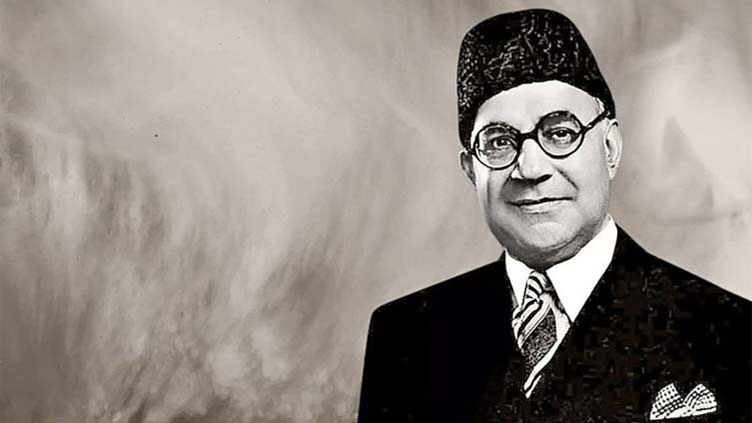
2. Khawaja Nazimuddin (1951-1953)
Khawaja Nazimuddin took over as the second Prime Minister following Liaquat Ali Khan’s assassination. Internal political instability and economic difficulties characterized his time in office. His government faced significant challenges, including the imposition of martial law in Lahore following anti-Ahmadi riots in 1953. The then-Governor General, Ghulam Muhammad, eventually dismissed him in 1953.

3. Mohammad Ali Bogra (1953-1955)
Mohammad Ali Bogra, Pakistan’s third Prime Minister, was previously an ambassador to the United States. He introduced the Bogra Formula, which aimed to address the political deadlock and disparity between East and West Pakistan. The formula proposed equal representation for both wings in the federal legislature. However, the Governor-General dismissed his government due to rising political tensions and constitutional crises.
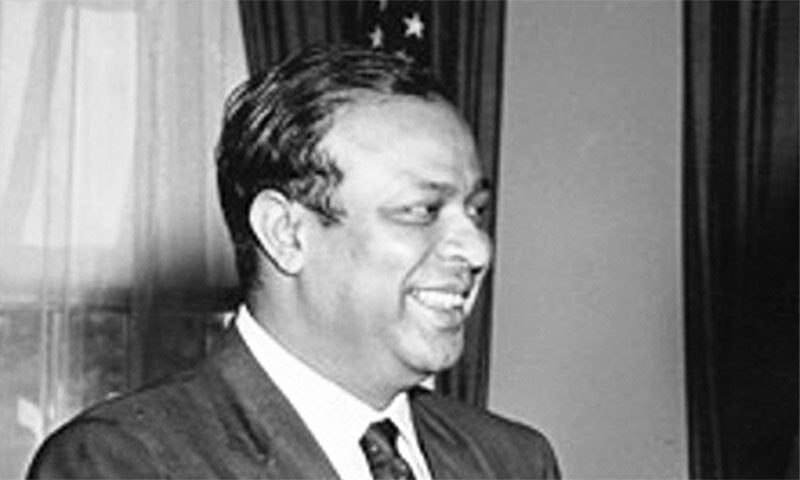
4. Chaudhry Muhammad Ali (1955-1956)
Chaudhry Muhammad Ali served as the Prime Minister during a period of significant constitutional development. His most notable achievement was the passing of Pakistan’s first constitution in 1956, making Pakistan the first Islamic Republic in the world. Despite this accomplishment, his government was short-lived due to political instability and was eventually replaced by Hussain Shaheed Suhrawardy in 1956.
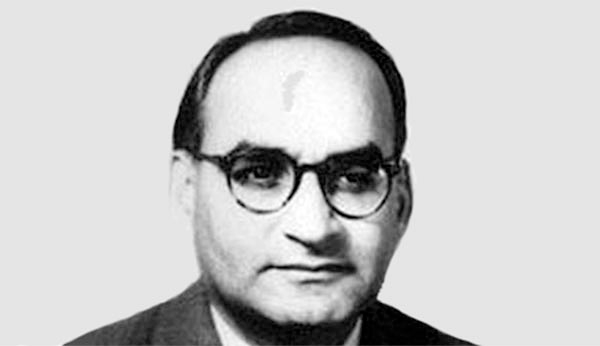
5. Hussain Shaheed Suhrawardy (1956-1957)
Hussain Shaheed Suhrawardy’s government focused on economic reforms and attempted to improve relations between East and West Pakistan. His tenure is marked by efforts to decentralize power and promote democracy. However, his administration faced strong opposition and political challenges, leading to his resignation in 1957.
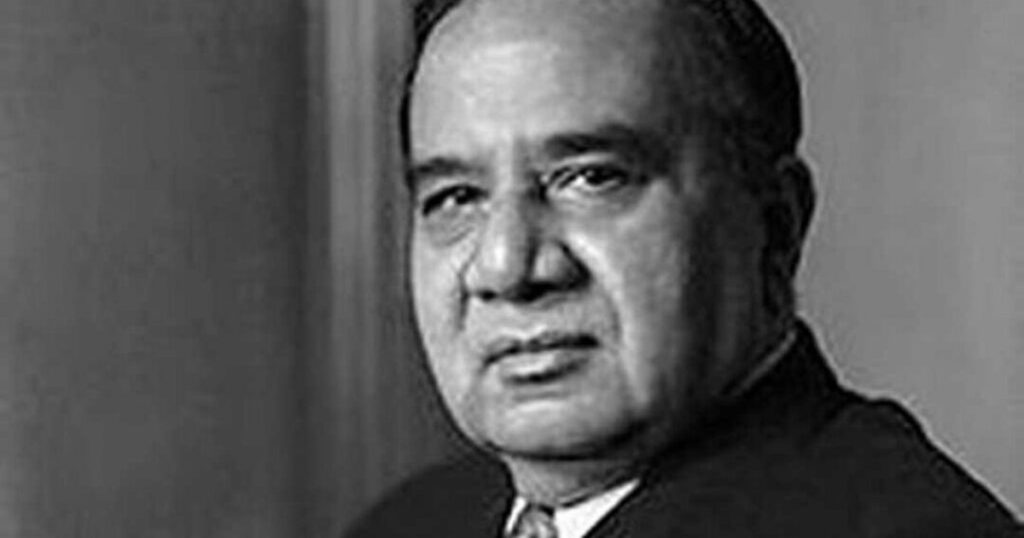
6. Ibrahim Ismail Chundrigar (1957)
Ibrahim Ismail Chundrigar served as the Prime Minister for a brief period of only two months. His short-lived government was characterized by political instability and a lack of support within the parliament, leading to his resignation.

7. Feroz Khan Noon (1957-1958)
Feroz Khan Noon’s government focused on foreign policy achievements, including negotiations with the UK over the Gwadar territory, which was successfully annexed to Pakistan. His tenure saw increasing tensions between civil and military institutions, and he was dismissed following the imposition of martial law by President Iskander Mirza and Chief Martial Law Administrator General Ayub Khan in 1958.
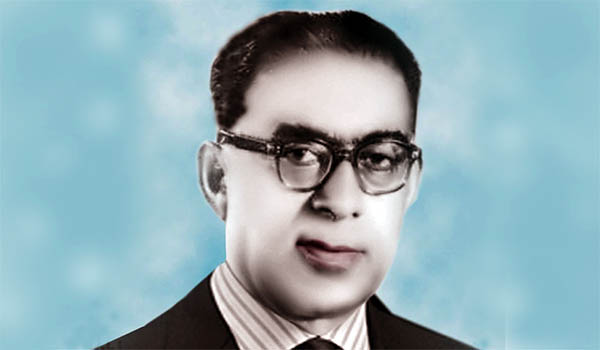
8. Nurul Amin (1971-1972)
Nurul Amin served as Pakistan’s Prime Minister during one of the most tumultuous periods in the country’s history, marked by the secession of East Pakistan and the creation of Bangladesh in 1971. His government was a short-lived coalition that focused on trying to resolve the political and military crises of the time.
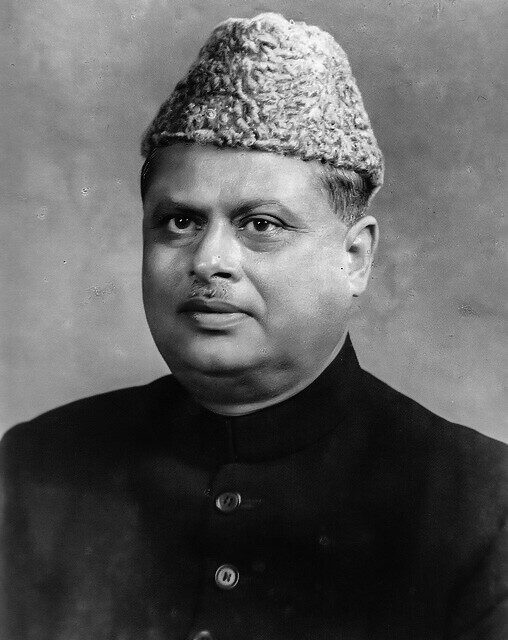
9. Zulfikar Ali Bhutto (1973-1977)
Zulfikar Ali Bhutto, founder of the Pakistan People’s Party (PPP), became the Prime Minister in 1973 after the adoption of the new constitution. His tenure is marked by a focus on socialism, land reforms, nationalization of key industries, and a foreign policy of non-alignment. Bhutto’s era also saw the development of Pakistan’s nuclear program. However, his rule ended in 1977 after a military coup led by General Zia-ul-Haq.

10. Muhammad Khan Junejo (1985-1988)
Muhammad Khan Junejo was appointed as Prime Minister by General Zia-ul-Haq following non-party-based general elections in 1985. His government focused on economic liberalization and efforts to restore democracy. However, he faced tensions with President Zia, leading to his dismissal in 1988.

11. Benazir Bhutto (1988-1990, 1993-1996)
Benazir Bhutto was the first woman to lead a Muslim-majority country as Prime Minister. Her first term (1988-1990) focused on social reforms and efforts to strengthen democratic institutions. However, the President dismissed her government due to corruption charges and political instability. She returned to power in 1993 with a renewed focus on economic liberalization, but similar charges cut her second term short in 1996.

12. Nawaz Sharif (1990-1993, 1997-1999, 2013-2017)
Nawaz Sharif, leader of the Pakistan Muslim League (N), served three non-consecutive terms as Prime Minister. His first term (1990-1993) focused on economic reforms and privatization but was cut short by dismissal due to corruption charges. In his second term (1997-1999), Sharif attempted to consolidate power, including amending the constitution to limit the president’s powers, but his tenure ended with a military coup by General Pervez Musharraf. Sharif returned for a third term in 2013, focusing on infrastructure development and economic growth, but was disqualified by the Supreme Court in 2017 due to the Panama Papers scandal.

13. Mir Zafarullah Khan Jamali (2002-2004)
Mir Zafarullah Khan Jamali was elected Prime Minister after the general elections held under the military regime of General Pervez Musharraf. His government faced significant challenges in balancing civilian and military relations. His tenure was marked by efforts to restore democratic governance, but he resigned in 2004, citing political constraints and pressures from the establishment.
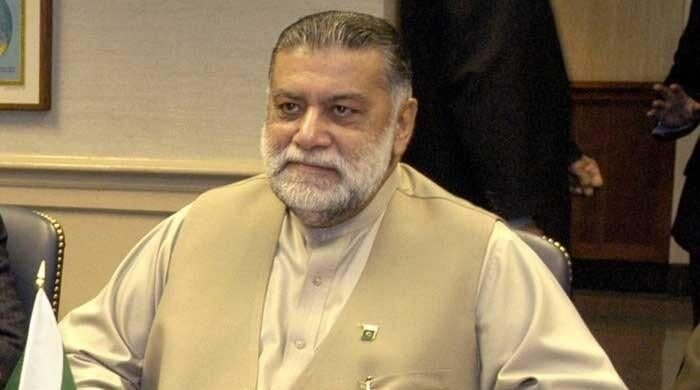
14. Shaukat Aziz (2004-2007)
Shaukat Aziz, previously the Finance Minister, was appointed Prime Minister by President Pervez Musharraf. His government focused on economic reforms, including the privatization of state-owned enterprises, and achieved significant GDP growth. However, his tenure was marred by political controversies, including the assassination of Benazir Bhutto and rising internal security challenges.
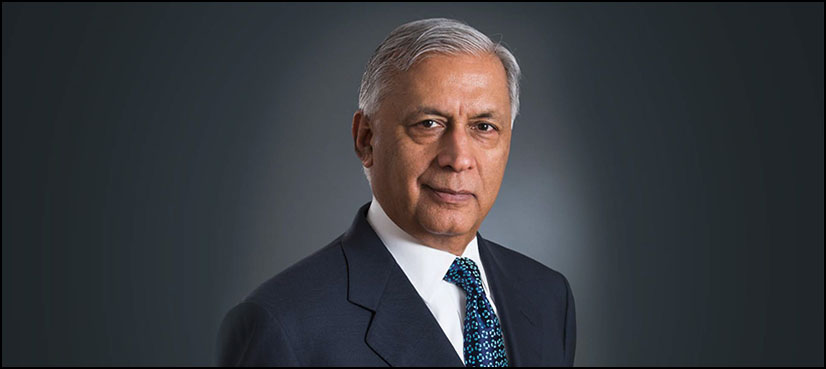
15. Yousaf Raza Gillani (2008-2012)
Yousaf Raza Gillani, a member of the Pakistan People’s Party, became Prime Minister following the 2008 general elections. His tenure saw significant political developments, including the restoration of the judiciary and the 18th Amendment, which decentralized power to the provinces. However, his government faced significant challenges, including economic crises and tensions with the judiciary, which eventually led to his disqualification in 2012 for contempt of court.

16. Raja Pervaiz Ashraf (2012-2013)
Raja Pervaiz Ashraf took over as Prime Minister after Yousaf Raza Gillani’s disqualification. His short tenure focused on stabilizing the political situation and continuing the policies of the Pakistan People’s Party. However, his government faced significant challenges, including power shortages, economic instability, and allegations of corruption.

17. Imran Khan (2018-2022)
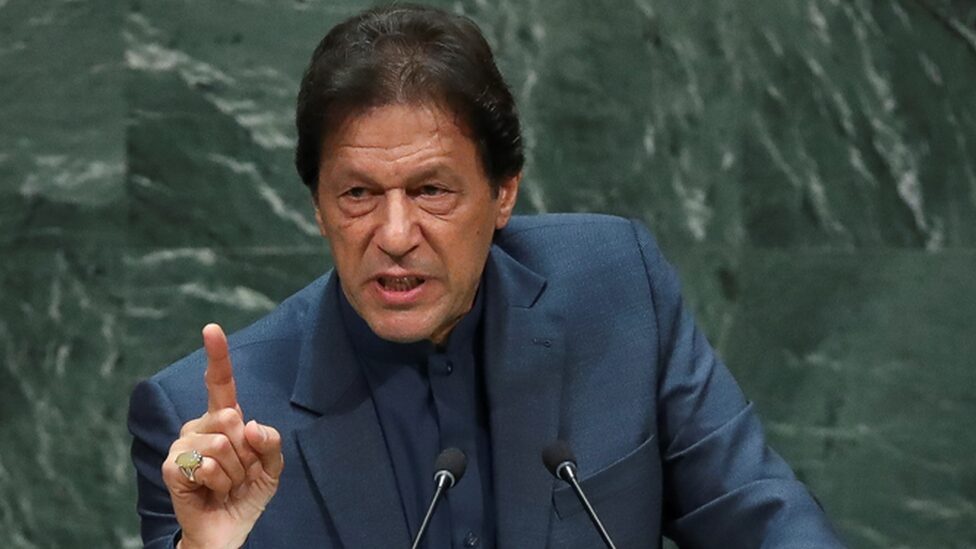
Imran Khan, the leader of the Pakistan Tehreek-e-Insaf (PTI), came to power with a promise of “New Pakistan,” focusing on anti-corruption, governance reforms, and a welfare state model. His government initiated several reforms in health, education, and social welfare through programs like the Ehsaas Program. However, his tenure faced economic challenges, inflation, and political instability. His government was ousted through a no-confidence motion in 2022.
18. Shehbaz Sharif (2022-2023)
Shehbaz Sharif, the leader of the Pakistan Muslim League (N), assumed office after Imran Khan’s ousting. This government faced the immediate challenge of stabilizing the economy and dealing with the aftermath of the COVID-19 pandemic. His tenure focused on addressing economic issues, fostering political stability, and rebuilding international relations. His government concluded in August 2023 when the National Assembly was dissolved to hold fresh elections.

19. Anwaar-ul-Haq Kakar (2023-2024)
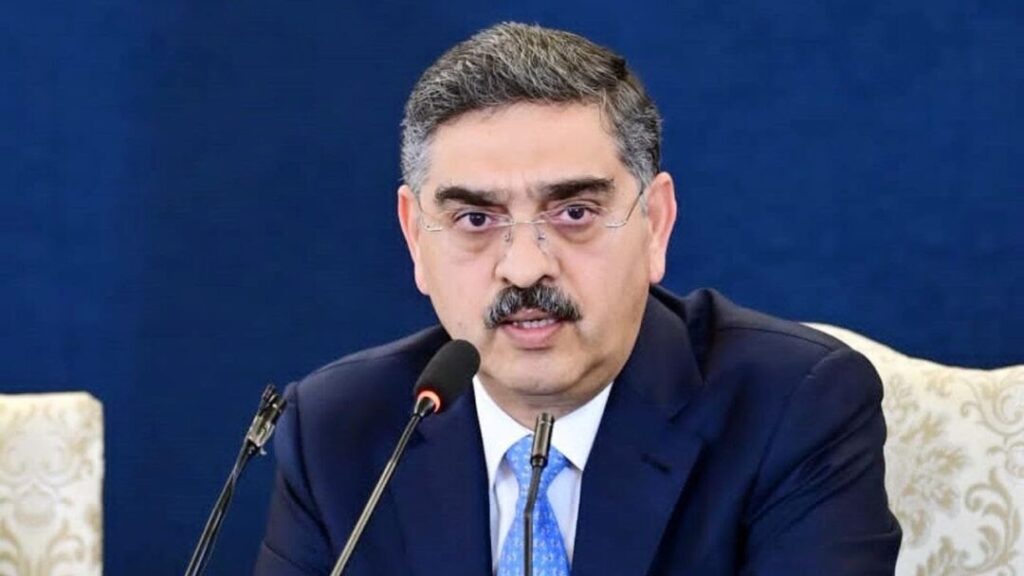
The President appointed Anwaar-ul-Haq Kakar as the caretaker Prime Minister in August 2023, tasking him with overseeing the transitional period and ensuring free and fair elections.. His government focuses on maintaining political stability and managing economic challenges until a new elected government takes office.
20. Shehbaz Sharif (2024-Present)
Shehbaz Sharif, leader of the Pakistan Muslim League (N), returned to power in 2024 after winning the general elections. His government focuses on economic revival, infrastructure development, and strengthening democratic institutions. With a renewed mandate, Shehbaz aims to tackle inflation, improve public services, and enhance relations with neighboring countries. His administration is also committed to reforms in education and healthcare while addressing the energy crisis and unemployment.