Brief Political Biography
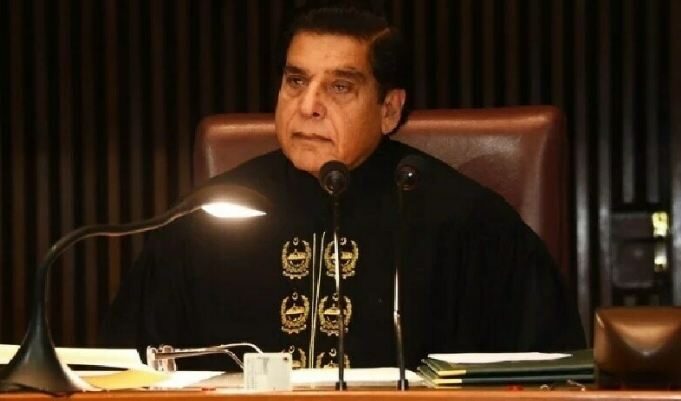
Raja Pervaiz Ashraf is a notable figure in Pakistani politics, recognized for his leadership and dedication to public service. Born on December 26, 1950, in Sanghar, Sindh, Raja Pervaiz Ashraf has demonstrated resilience and determination throughout his political journey. His Raja Pervaiz Ashraf political biography highlights his rise within the Pakistan Peoples Party (PPP) since the 1980s. His commitment to Pakistan’s development and his ability to navigate the complexities of politics have left a lasting impact on the country’s political and economic landscape.
Electoral Performance
Raja Pervaiz Ashraf’s electoral career reflects his resilience and dedication to Pakistan’s progress:
- 2002: Raja Pervaiz Ashraf won a seat in the National Assembly from NA-51 (Rawalpindi-II) on a PPP ticket. His election marked the beginning of his national political career and demonstrated his strong connection with his constituents.
- 2008: He won re-election to the National Assembly, securing his seat with significant support. Following this victory, the government appointed Raja Pervaiz Ashraf as the Federal Minister for Water and Power. He focused on addressing Pakistan’s energy crisis through policy reforms and infrastructure projects to increase electricity generation.
- 2012: In a pivotal moment in his career, Ashraf became the Prime Minister of Pakistan after the Supreme Court disqualified his predecessor, Yousaf Raza Gillani. His leadership during this period focused on promoting political stability, economic growth, and energy sector improvements, despite facing significant political challenges and legal battles.
- 2018: Ashraf continued to maintain his political influence, winning a seat in the National Assembly once again. This victory underscored his enduring popularity and his commitment to representing the interests of his constituents.
Political Achievements
Throughout his political career, Raja Pervaiz Ashraf has made several significant contributions to Pakistan’s development:
- Energy Reforms: As Federal Minister for Water and Power, Ashraf played a crucial role in addressing Pakistan’s energy challenges. He promoted policies aimed at increasing electricity production and reducing power shortages. His efforts included the initiation of key energy projects, such as the Neelum-Jhelum Hydropower Project, to modernize the country’s energy infrastructure and improve power distribution.
- Infrastructure Development: Under Raja Pervaiz Ashraf’s leadership, the government launched several development projects to improve Pakistan’s infrastructure. These initiatives included the construction of roads, bridges, and other critical infrastructure that supported economic growth and regional connectivity.
- Democratic Governance: During his tenure as Prime Minister, Ashraf emphasized the importance of democratic governance and political stability. He navigated complex political challenges and opposition pressures to maintain the smooth functioning of the government and uphold democratic principles.
- Public Welfare: Ashraf was also dedicated to public welfare initiatives, focusing on improving healthcare, education, and social services. His commitment to social development highlighted his dedication to improving the quality of life for all Pakistanis.
Legacy and Influence
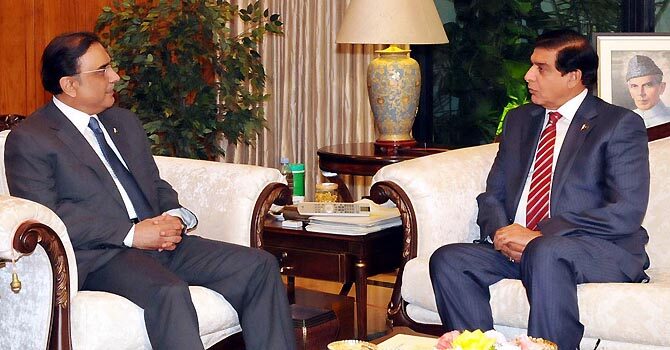
Raja Pervaiz Ashraf’s legacy is marked by his efforts to solve Pakistan’s energy crisis, promote democracy, and improve public welfare. His Raja Pervaiz Ashraf political biography reflects the many challenges he faced, including political opposition and legal issues. Despite these obstacles, he remained committed to Pakistan’s progress. His work in energy sector reforms and sustainable development has left a lasting impact on the country.
After his time as Prime Minister, Ashraf continued to play a key role in the PPP. He remains an influential voice in Pakistani politics. His rise from a party worker to the highest office shows his resilience and dedication to public service. His Raja Pervaiz Ashraf political biography highlights how his leadership and achievements continue to inspire future Pakistani politicians. He is seen as a transformative figure in the country’s political history.
Disclaimer: The information provided is based on available sources and is intended for general informational purposes. For any inaccuracies or additional information, please leave a comment or contact us. We value your feedback and strive for accuracy.