Brief Political History
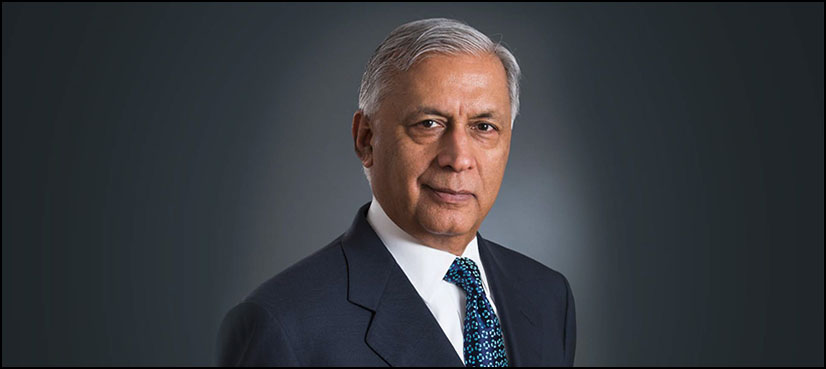
Shaukat Aziz stands as a prominent figure in Pakistan’s political landscape, renowned as Shaukat Aziz, Transformative Leader in Pakistan’s Economy. Born on March 6, 1949, in Karachi, Pakistan, Aziz emerged from a background in finance and business. His career in public service began with a focus on economic reforms, which paved the way for his significant role in national governance.
Aziz’s political ascent started in the early 2000s when he joined the Pakistan Muslim League (PML-Q). His financial expertise and strategic vision soon earned him a pivotal position. In 2004, Shaukat Aziz became the Prime Minister of Pakistan, succeeding Zafarullah Khan Jamali. During this period, he led substantial economic reforms and development initiatives that shaped Pakistan’s modern economic framework.

Electoral Performance
Shaukat Aziz’s political journey reflects his dedication to economic growth and national development:
- 2001: Aziz took on the role of Finance Minister, where he played a crucial role in revitalizing Pakistan’s economy. His policies focused on fiscal reforms, economic stability, and attracting foreign investment.
- 2004: Aziz ascended to the position of Prime Minister, following the resignation of Zafarullah Khan Jamali. His tenure featured efforts to enhance economic stability, develop infrastructure, and implement policy reforms that modernized Pakistan’s economic sector.
- 2005: Aziz led Pakistan through a period of economic growth, focusing on reducing poverty and fostering industrial development. His government implemented measures to improve the business environment and attract foreign investment.
Political Career and Achievements
Shaukat Aziz’s tenure as Prime Minister was marked by several key achievements and initiatives aimed at strengthening Pakistan’s economy:
- Economic Reforms: Aziz’s government spearheaded major economic reforms, including tax system improvements and liberalization policies. These measures boosted economic growth and increased investor confidence in Pakistan.
- Infrastructure Development: Under Aziz’s leadership, Pakistan saw significant infrastructure projects, including the development of roads, highways, and urban facilities. These projects aimed to improve connectivity and support economic growth.
- Foreign Investment: Aziz’s administration worked diligently to attract foreign investment. His policies were instrumental in creating a favorable investment climate, which contributed to Pakistan’s economic development during his tenure.
- Public Sector Reforms: Aziz prioritized public sector reforms, focusing on improving efficiency and transparency within government institutions. His efforts aimed to enhance governance and reduce bureaucratic red tape.

Legacy and Influence
Shaukat Aziz’s legacy is defined by his commitment to economic reform and development. Shaukat Aziz, Transformative Leader in Pakistan’s Economy, marked substantial progress in Pakistan’s economic landscape during his tenure as Prime Minister. His leadership, characterized by strategic reforms and a focus on modernization, left a lasting impact on the country.
Despite facing political and economic challenges, Aziz’s contributions to Pakistan’s economic development remain significant. His policies and initiatives continue to influence economic strategy and development practices in the country.
Even after his political career, Shaukat Aziz’s influence endures. His achievements and dedication to Pakistan’s progress underscore his role as a transformative leader in the nation’s history.
Disclaimer: The information provided is based on available sources and is intended for general informational purposes. For any inaccuracies or additional information, please leave a comment or contact us. We value your feedback and strive for accuracy.