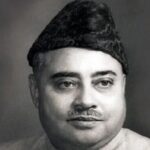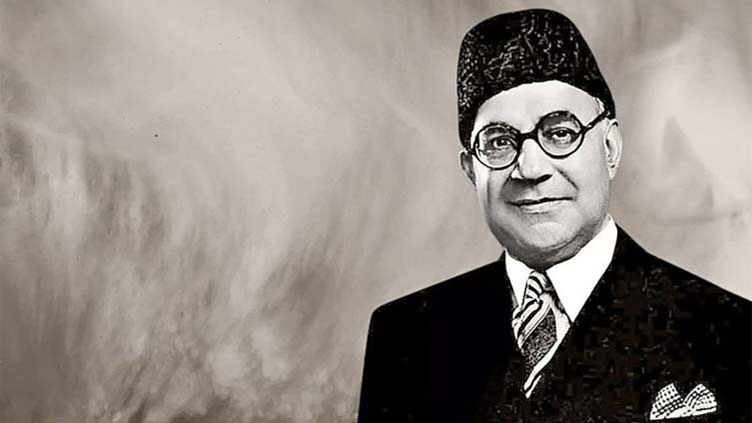
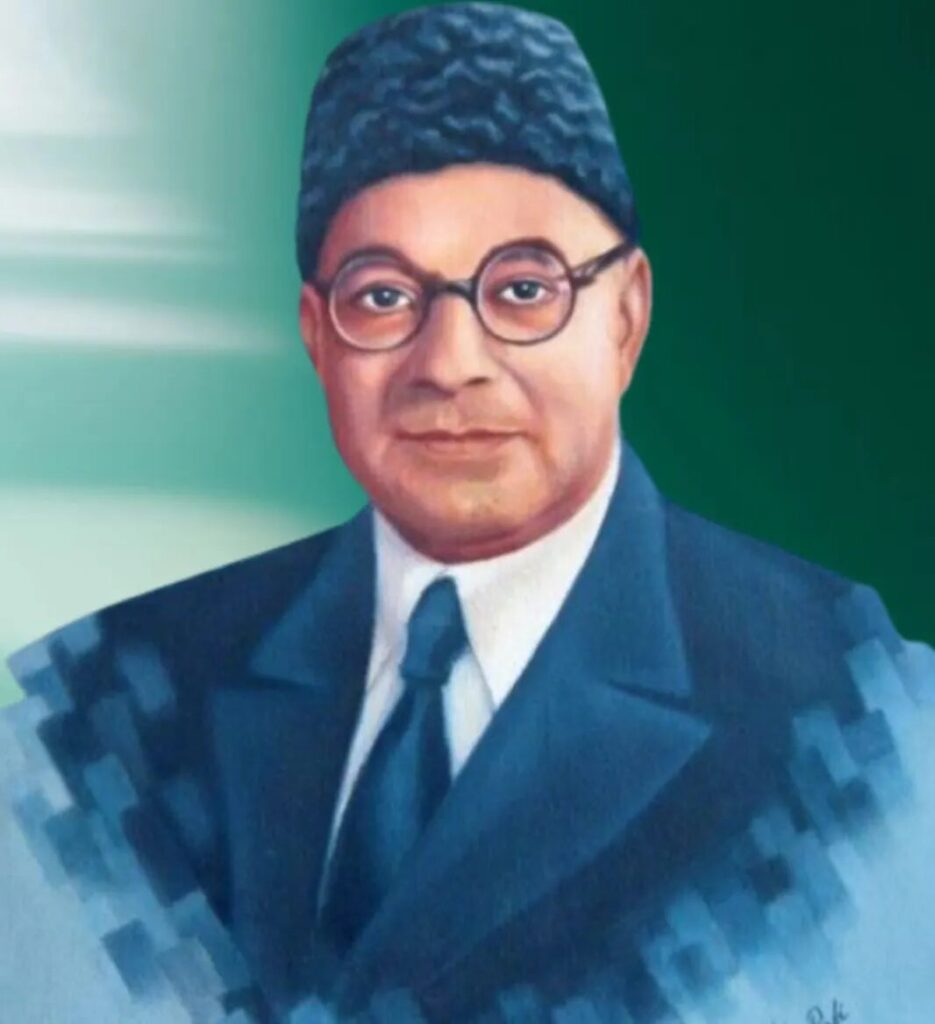
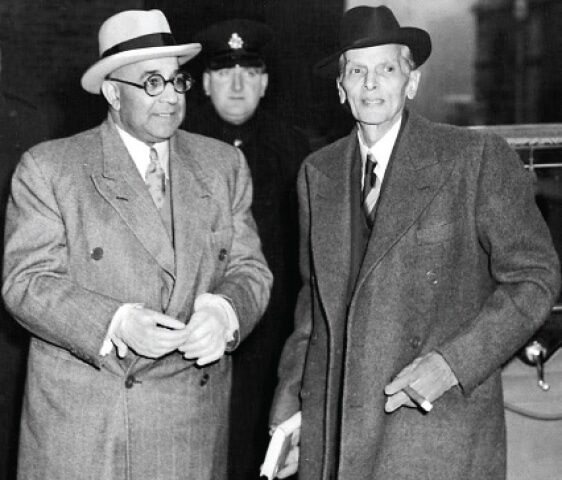
Liaquat Ali Khan, a founding father of Pakistan, was a visionary leader whose dedication to his nation shaped its early years. Born into a prominent Muslim family in Karnal, India, Khan’s political journey began with a deep-seated passion for justice and a commitment to the independence movement. His early education and exposure to international politics fueled his desire to serve his community and fight for its rights.
Khan’s political career took a decisive turn in 1923 when he joined the All India Muslim League, led by Muhammad Ali Jinnah. His unwavering dedication quickly earned him a prominent place within the party. By 1940, Khan had emerged as a key figure in the struggle for Pakistan’s independence, advocating for a separate nation where Muslims could live freely. His eloquence, strategic thinking, and commitment to the cause made him an indispensable ally to Jinnah.
Following the creation of Pakistan in 1947, Liaquat Ali Khan became the country’s first Prime Minister. He faced the monumental task of steering a newly independent state through its formative years. His tenure was marked by efforts to build a strong foundation for the fledgling nation. Khan focused on establishing a stable government, formulating economic policies, and fostering international relations that aligned with Pakistan’s interests. His leadership was crucial in navigating the complexities of post-partition Pakistan.
Key Achievements and Legacy
Liaquat Ali Khan’s tenure as Prime Minister is characterized by decisive actions and visionary policies:
- Economic Vision: Recognizing the importance of economic stability, Khan introduced the “Liaquat-Nehru Pact,” aimed at addressing communal tensions and fostering economic cooperation with India. His efforts to establish a mixed economy laid the groundwork for Pakistan’s industrial growth.
- Foreign Policy Strategy: As a leader who understood the importance of Pakistan’s position on the global stage, Khan skillfully navigated the Cold War dynamics. He secured vital aid and alliances, notably aligning Pakistan with the United States while maintaining a balanced approach towards the Soviet Union. His diplomacy strengthened Pakistan’s international standing and established it as a key player in regional politics.
- Champion of Democracy: Khan was a staunch advocate for democracy and rule of law. He worked tirelessly to draft a constitution that would uphold democratic values and protect citizens’ rights. His commitment to a democratic framework underscored his belief in the people’s power to shape their own destiny.
Liaquat Ali Khan’s assassination in 1951 was a tragic loss for Pakistan. His death marked the end of an era of principled leadership and dedication to public service. However, his legacy continues to inspire generations. Khan’s vision for a progressive, inclusive, and sovereign Pakistan remains a guiding light for the nation’s leaders and citizens.
Influence and Enduring Impact
Liaquat Ali Khan’s influence on Pakistan’s political landscape is profound. His leadership during the formative years of the country set the course for its future development. With his strategic mind and steadfast dedication to his nation’s principles, Khan not only laid the foundation for Pakistan’s governance but also instilled a sense of unity and purpose among its people. His legacy is a testament to his unwavering commitment to justice, progress, and the prosperity of Pakistan.
Disclaimer: The information provided in this biography is based on available sources and is intended for general informational purposes. If there are any inaccuracies or if you have additional information to contribute, please let us know by leaving a comment. Additionally, if you would like to add information about someone else or suggest updates, please feel free to contact us. We appreciate your feedback and strive to ensure the accuracy of our content.