Brief Political History
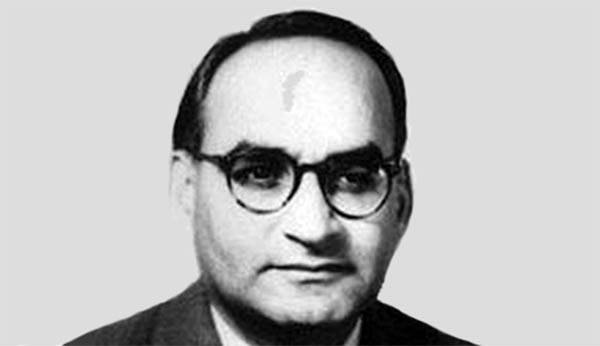
Muhammad Khan Junejo was a respected figure in Pakistani politics, known for his humble beginnings and rise to national prominence. Born in Sindh on August 18, 1932, Junejo came from a region rich in agriculture and culture. His strong background in farming and deep connection to his land shaped his early years. Muhammad Khan Junejo’s political history began with a desire to serve his community and address the challenges faced by rural Pakistan.
Junejo’s political career took off in the 1960s when he became involved in local governance. He quickly earned a reputation for his commitment to development and his ability to connect with the common people. In 1985, Muhammad Khan Junejo became the Prime Minister of Pakistan under the non-party system introduced by President General Zia-ul-Haq. Junejo’s appointment marked the beginning of a significant phase in Pakistan’s political evolution, focusing on economic reform, decentralization of power, and a return to civilian rule.

Electoral Performance
Muhammad Khan Junejo’s electoral journey is notable for its resilience and dedication to democratic principles:
- 1962: Junejo was elected to the West Pakistan Assembly, where he began to make his mark on national politics.
- 1985: After the non-party elections, Junejo became the Prime Minister of Pakistan. His appointment marked a shift toward civilian governance after years of military rule. He focused on restoring democratic institutions and strengthening governance structures during his tenure.
- 1988: Following his dismissal from the office of Prime Minister, Junejo continued to play a significant role in Pakistani politics as a member of the Pakistan Muslim League (PML).
Political Career and Achievements
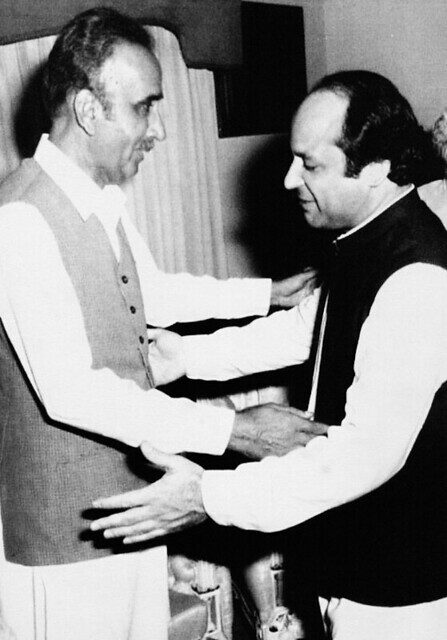
As Prime Minister, Muhammad Khan Junejo initiated several key reforms. He championed a vision for a self-reliant and economically strong Pakistan. Under his leadership, the government implemented policies aimed at economic liberalization and agricultural development. These policies empowered local communities and reduced dependency on foreign aid.
Junejo promoted transparency and accountability in governance. He led with simplicity and a strong commitment to public service. He took significant steps to decentralize power, advocating for local governance reforms that empowered provincial governments and local authorities. This move aimed to bring decision-making closer to the people and ensure that governance was more responsive to the needs of local communities.
Additionally, Junejo played a pivotal role in steering Pakistan back towards a civilian government after years of military rule. His efforts to initiate a process of political reconciliation and dialogue among various political factions were instrumental in fostering a more inclusive political environment.
Legacy and Influence
Muhammad Khan Junejo’s legacy is defined by his commitment to democratic principles. He worked hard to decentralize governance in Pakistan. Junejo believed in empowering the grassroots. He fostered a political culture based on accountability and transparency. Even after his time as Prime Minister ended, he remained influential. He continued advocating for democratic reforms and led within the Pakistan Muslim League.
Junejo’s approach to governance was humble and focused on rural development. This resonated deeply with the people, especially in Sindh. His leadership style was simple and service-oriented. It continues to inspire many aspiring politicians in Pakistan today.
Disclaimer: The information provided is based on available sources and is intended for general informational purposes. For any inaccuracies or additional information, please leave a comment or contact us. We value your feedback and strive for accuracy.