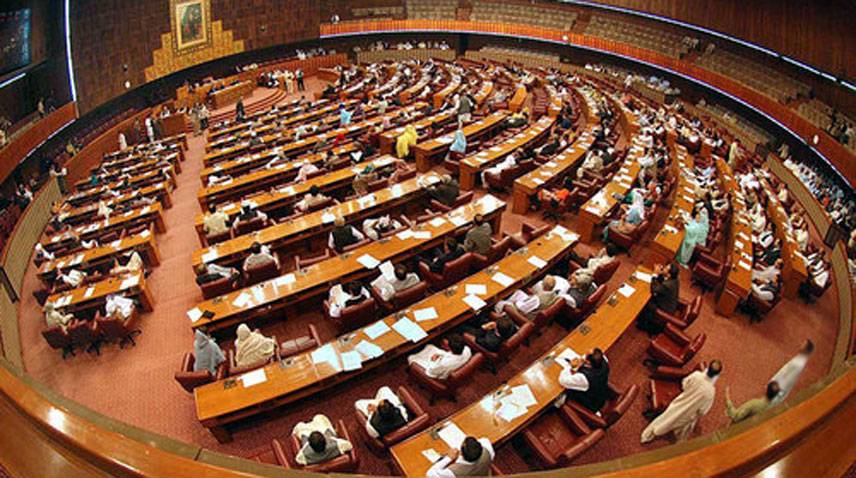
The National Assembly on Thursday passed the controversial Prevention of Electronic Crimes (Amendment) Bill, 2025, sparking outrage and protests from opposition lawmakers and journalists alike. The bill, which proposes sweeping changes to the country’s cybercrime laws, was introduced by Law Minister Azam Nazeer Tarar and referred to the standing committee before being put to a vote.
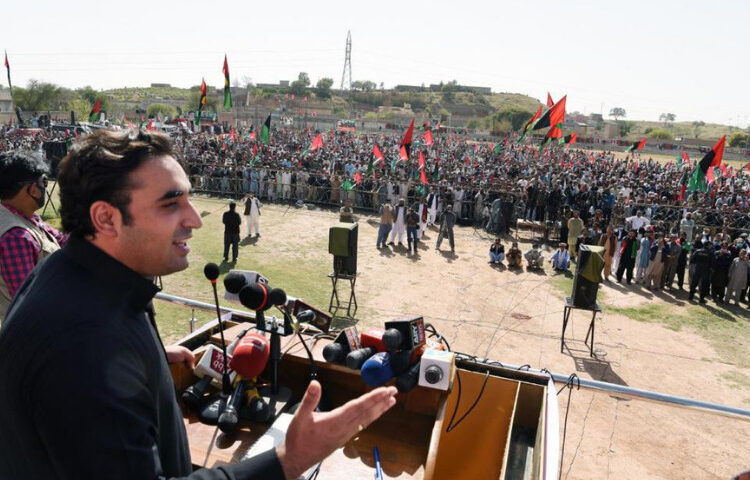
The opposition staged a walkout during the session, decrying the bill’s provisions as draconian. Journalists also protested by walking out of the press gallery, raising concerns over the potential suppression of free speech and press freedoms.
A major highlight of the bill is the addition of Section 26(A) to the Prevention of Electronic Crimes Act (Peca). This provision criminalizes the dissemination of “fake news” online, prescribing penalties of up to three years’ imprisonment, a fine of Rs2 million, or both. The bill defines fake news as any information intentionally shared that is known or suspected to be false and likely to incite fear, panic, or disorder in society.
The legislation also proposes the establishment of the Social Media Protection and Regulatory Authority, which will oversee social media platforms’ operations in Pakistan. The authority will have the power to regulate, educate, block, and enlist platforms while ensuring compliance with the law. It will also allow individuals aggrieved by false information to request the removal or blocking of content within 24 hours.
Social media platforms will be required to register with the authority, pay prescribed fees, and adhere to additional conditions deemed necessary. The authority will also be empowered to block content deemed against the ideology of Pakistan, inciting hatred, disrupting civic life, or promoting obscenity, terrorism, or violence.
The bill further stipulates that any content from parliamentary or provincial assembly proceedings ordered to be expunged cannot be streamed or shared online. Additionally, statements from proscribed organizations or their representatives are strictly prohibited from being made available on social media.
Another key feature is the proposed Social Media Complaint Council, which will address complaints related to offensive or unlawful online content. The Social Media Protection Tribunal, also established under the bill, will be required to resolve all cases within 90 days.
Last month, it was reported that the government was planning wholesale changes to Peca 2016. The revised draft significantly increases penalties, proposing up to seven years’ imprisonment and a fine of Rs2 million for those found guilty of spreading fake news.
State Minister for IT and Telecom Shaza Fatima Khawaja had earlier defended the amendments, stating they aimed to address growing concerns over misinformation on social media. However, critics argue that the bill’s broad definitions and stringent penalties pose serious risks to freedom of speech and dissent in Pakistan.