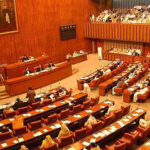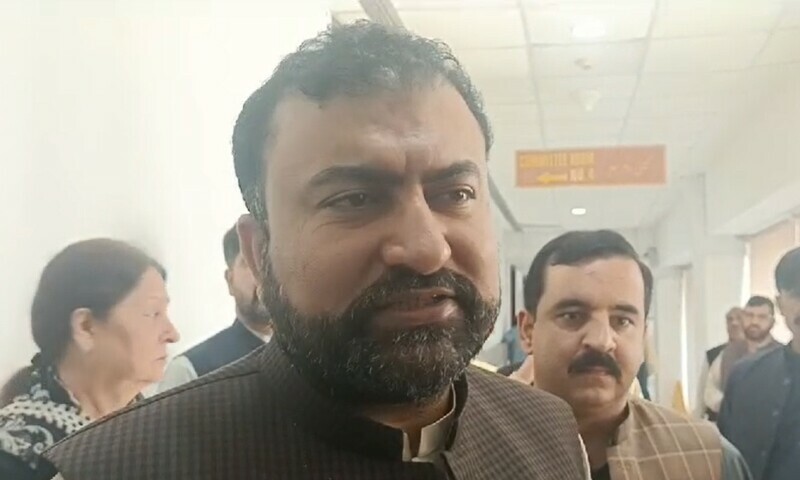
Caretaker Minister for Interior, Senator Sarfraz Bugti, has emphasized the need for negotiations to resolve the ongoing sit-in outside the Parliament, led by the political party BNP-M and civil society members. Speaking at the Senate, Bugti revealed that while the BNP-M had initially been granted permission for a press conference and a token protest at the Islamabad Press Club, they subsequently moved their demonstration to the Red Zone, where they continue to stage their sit-in.
Bugti underscored the prominent role of seasoned politician Akhtar Khan Mengal in spearheading the protest, considering his party’s involvement in various governmental capacities over the last decade. Senator Raza Rabbani, addressing the issue during the Senate session, highlighted the protesters’ concerns, particularly regarding the chronic problem of missing persons and alleged death squads operating in Balochistan. Rabbani emphasized the need for swift action to put an end to such issues, suggesting that Parliament should address the matter through legislative means.
Furthermore, Senator Rabbani brought attention to the recent controversial appointments made by the Caretaker government in various key institutions, including NAB, NADRA, Federal Government Services Hospital (Poly Clinic), and Pakistan Institute of Medical Sciences (PIMS). He criticized these appointments as potential violations of the Election Act 2017 and the Supreme Court’s rulings, urging the Caretaker government to focus on crucial daily affairs instead.
In response, Minister Sarfraz Bugti emphasized the need for a comprehensive and objective debate in Parliament, specifically regarding the issue of missing persons, which he suggested was interconnected with incidents of self-disappearances. Bugti proposed that legislation be enacted within the next 2-3 months after elections to address these pressing concerns, highlighting the need to curb the activities of miscreants and insurgency in Balochistan.
Reiterating the right to peaceful protest, Bugti assured that the demonstrators, including experienced politicians and workers, would not face any form of mistreatment. He further emphasized the importance of seeking permission for protests staged outside the Parliament, underlining the government’s commitment to resolving the matter through constructive dialogue and discussion.