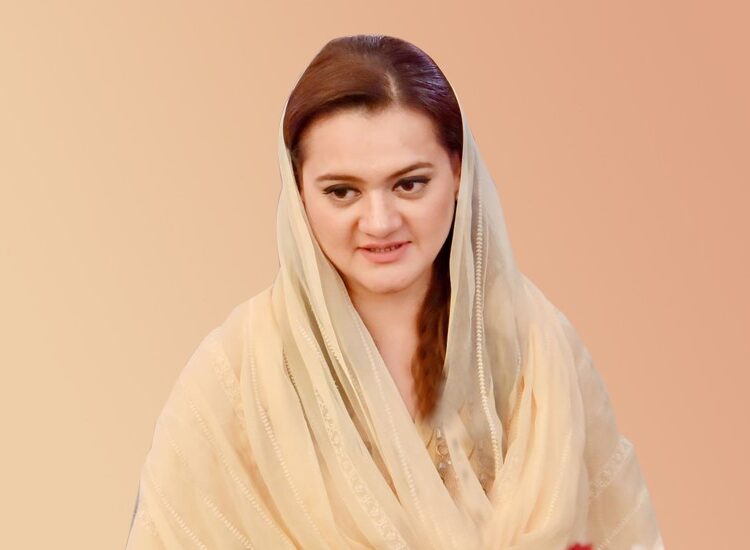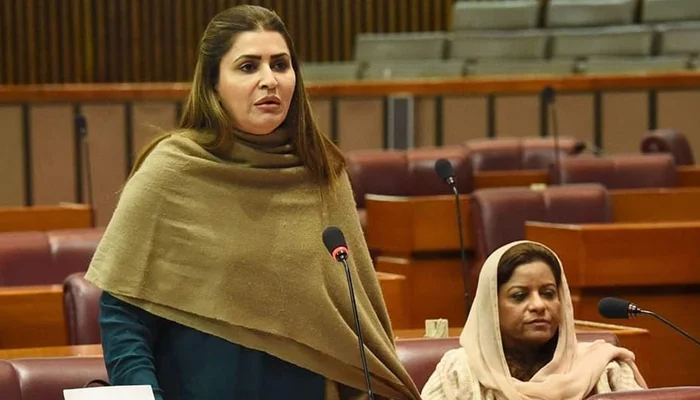
Shazia Marri is a prominent figure in Pakistan’s political arena. Her commitment to social justice, women’s empowerment, and development is widely recognized. She represents the Pakistan Peoples Party (PPP). Marri has become a strong voice for the marginalized. She is a champion of progressive values. Her dynamic approach and dedication to public service have made her a leading light in the country’s political landscape.
Early Life and Political Beginnings
Shazia Marri grew up in a politically active family in Sindh. She was introduced to politics from a young age. Her grandfather, Ali Muhammad Marri, served as a member of the National Assembly. Her father, Atta Muhammad Marri, also served in the National Assembly. They provided her with a rich legacy to draw upon. This political heritage fueled her passion for public service and laid the foundation for her future career.
Marri pursued higher education in international relations, which equipped her with a deep understanding of global politics and governance. This academic background, combined with her family’s political experience, prepared her to enter the political arena with a well-rounded perspective and a strong commitment to social issues.
Ascension in the Political Arena
Shazia Marri officially launched her political career with the Pakistan Peoples Party (PPP), a party renowned for its progressive policies and commitment to social justice. Her charismatic personality, coupled with her ability to connect with people from all walks of life, quickly propelled her through the party ranks. She became known for her articulate speeches and her ability to address complex social issues with clarity and passion.
In 2002, Marri won a seat in the Sindh Provincial Assembly, marking the beginning of her legislative career. She quickly established herself as a key player in provincial politics, advocating for education, women’s rights, and rural development. Her effective representation and dedication to her constituents earned her widespread respect and recognition.

Electoral Performance
Shazia Marri has characterized her electoral journey with resilience, leadership, and unwavering commitment to her constituents:
- 2002 General Elections: Marri was elected to the Sindh Provincial Assembly on a PPP ticket, where she served with distinction. Her focus on education, healthcare, and women’s rights made her a respected figure in the assembly.
- 2008 General Elections: Marri built on her success by getting re-elected to the Sindh Assembly, which further solidified her position within the PPP and enhanced her reputation as a dedicated public servant. During this term, she continued to champion progressive policies and development initiatives, particularly for the rural communities in Sindh.
- 2012 By-Elections: Marri made her entry into national politics when she won a seat in the National Assembly through a by-election. Her victory was a testament to her growing influence and the trust she had built with her constituents. As a member of the National Assembly, she played a pivotal role in several legislative reforms, particularly in the areas of women’s rights and social welfare.
- 2013 General Elections: Marri successfully retained her National Assembly seat, further reinforcing her political clout. Her legislative efforts focused on social justice, economic empowerment, and the rights of women and minorities. She actively participated in parliamentary debates and committed herself to holding the government accountable during her tenure.
- 2018 General Elections: Marri once again contested the National Assembly seat and secured a significant victory. Her campaign, centered on the themes of equality, justice, and development, resonated deeply with the electorate. Her continued success at the polls underscored her enduring popularity and her effectiveness as a parliamentarian.

Key Roles and Achievements
Throughout her political career, Shazia Marri has held several important positions that have allowed her to influence policy and drive change:
- Minister for Information and Culture, Sindh: During her tenure as Minister for Information and Culture in Sindh, Marri played a vital role in promoting cultural initiatives. Additionally, she ensured the freedom of the press. She was instrumental in launching various cultural programs aimed at preserving Sindh’s rich heritage.
- Member of the National Assembly: As a National Assembly member, Marri has been a strong advocate for women’s rights, social welfare, and education. She has consistently pushed for legislative reforms to improve the lives of ordinary Pakistanis, focusing on marginalized communities and vulnerable groups.
- Chairperson of the Benazir Income Support Programme (BISP): In her role as Chairperson of BISP, Marri has overseen one of Pakistan’s largest social safety net programs. Her leadership has been crucial in expanding the program’s reach, ensuring that financial assistance is provided to millions of low-income families across the country. Her work has been widely recognized for its impact on poverty alleviation and women’s economic empowerment.
Championing Social Justice and Empowerment
Shazia Marri’s political journey is deeply rooted in her commitment to social justice and empowerment. She has been a vocal advocate for gender equality, tirelessly working to ensure that women have access to education, employment, and political participation. Her efforts have helped bring critical issues to the forefront of national discourse, paving the way for greater inclusion and representation.
Marri has also been a staunch supporter of human rights and has spoken out against discrimination and violence. Furthermore, she has championed the rights of minorities. In addition, she has worked to foster a more inclusive society where everyone, regardless of their background, can thrive.
A Visionary Leader with a Passion for Progress
Shazia Marri’s leadership is characterized by her vision for a more just and equitable Pakistan. She continues to inspire with her dedication to public service and her relentless pursuit of progress. As a key figure in PPP, Marri remains committed to advocating for the marginalized and driving social change. Her influence in shaping Pakistan’s political and social landscape is undeniable, and her journey is far from over.
Conclusion
Shazia Marri embodies the spirit of resilience, compassion, and leadership. Her unwavering commitment to the people of Pakistan, especially those left behind, is reflected in her political career. As she continues to navigate the complexities of Pakistani politics, Marri’s focus remains clear: to build a better, more inclusive future for all. Shazia Marri, with her dynamic presence and forward-thinking approach, is poised to remain a pivotal force in the country’s political landscape for years to come.
Disclaimer: This biography is based on available sources and is intended for informational purposes. For any inaccuracies or additional information, please share your feedback.